



Polyacrylamide (PAM), a high‑molecular‑weight water‑soluble polymer, serves as a multi‑functional chemical agent widely used across diverse oilfield operations. In enhanced oil recovery (EOR), high‑molecular‑weight anionic PAM is applied for polymer flooding. It raises the viscosity of injected water, optimizes oil‑water mobility ratio, mitigates water channeling, expands swept volume and effectively boosts crude oil recovery for mature reservoirs. It is also adopted for profile control and water shut‑off to adjust reservoir permeability heterogeneity.
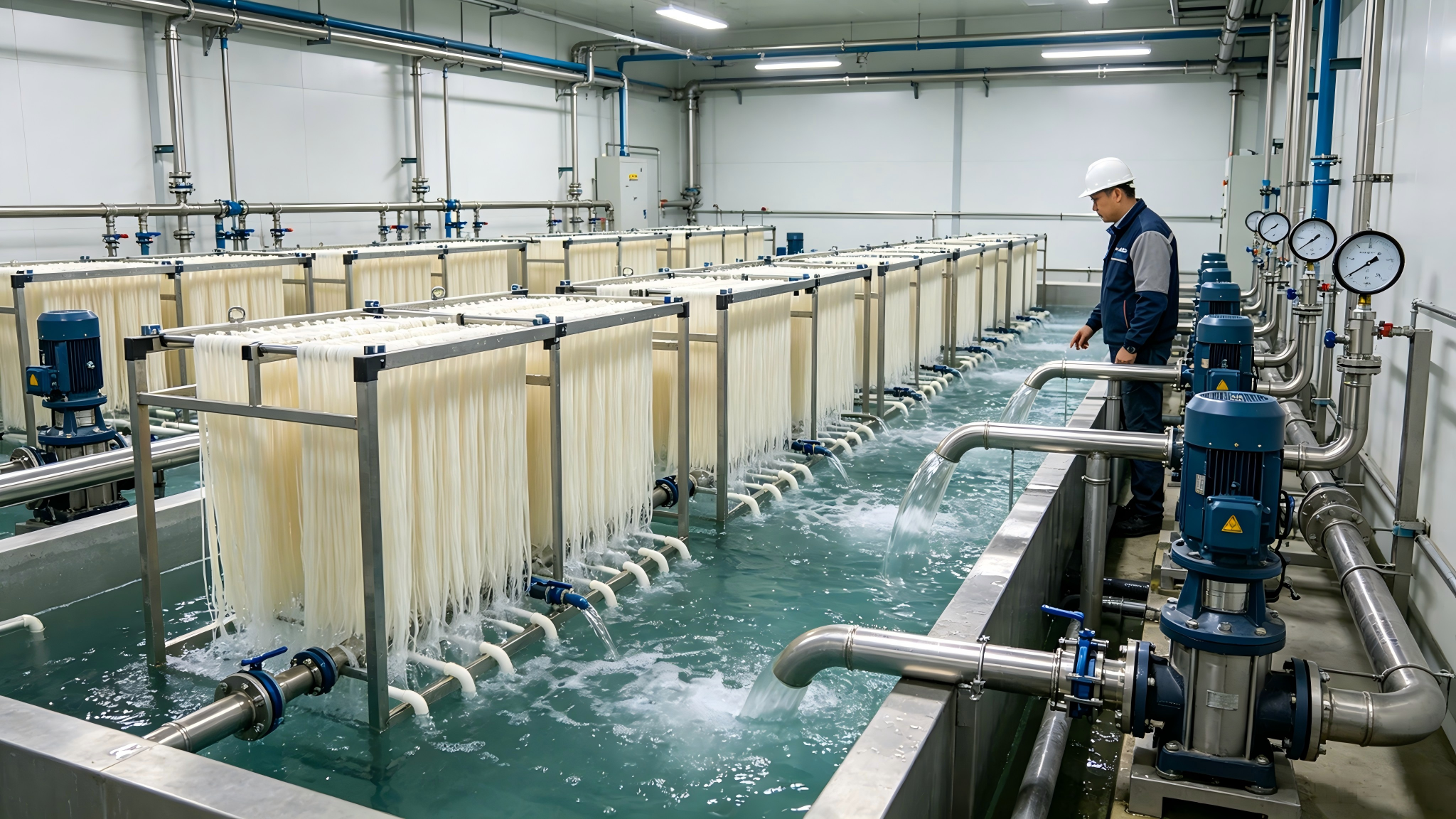
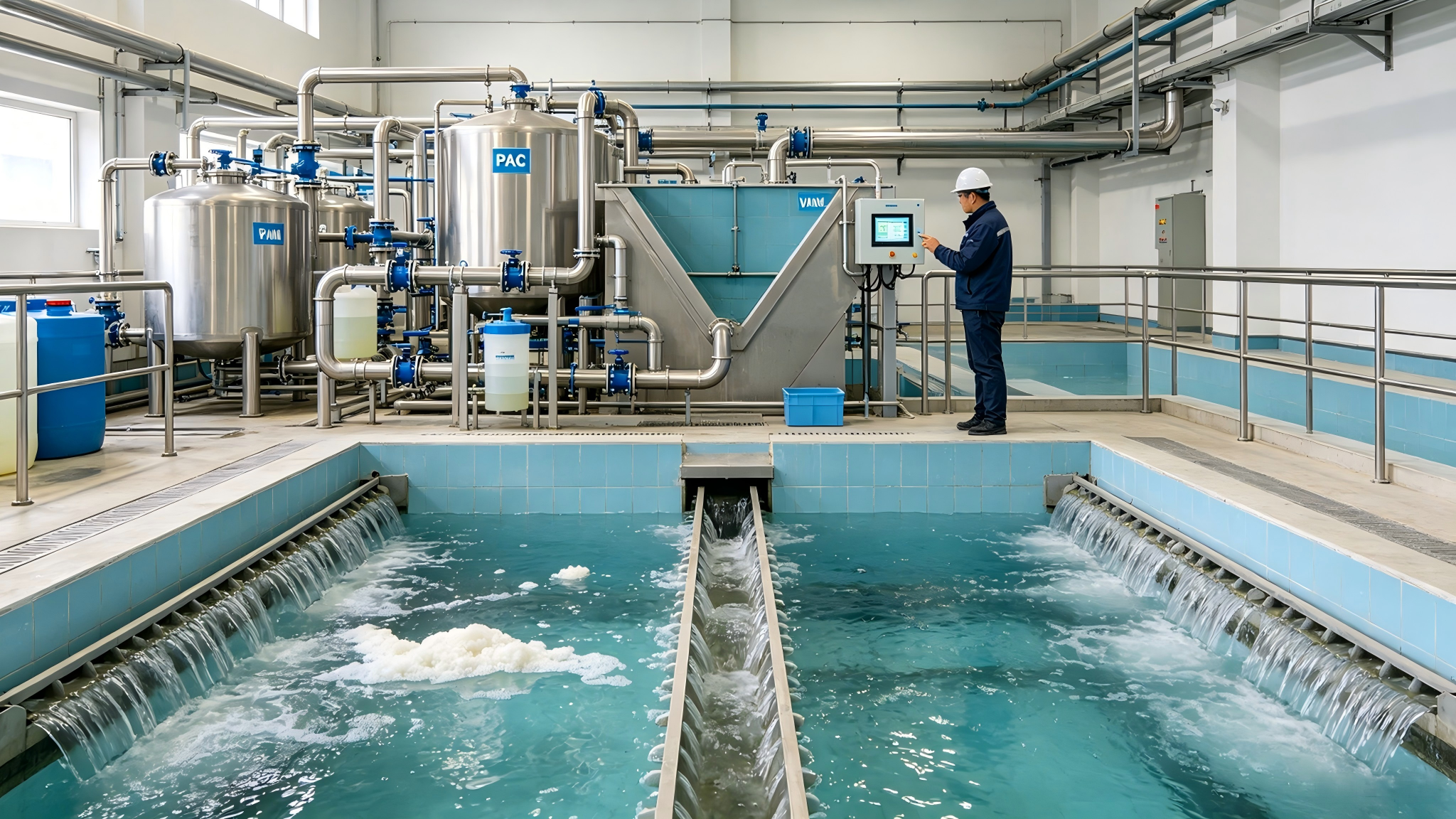
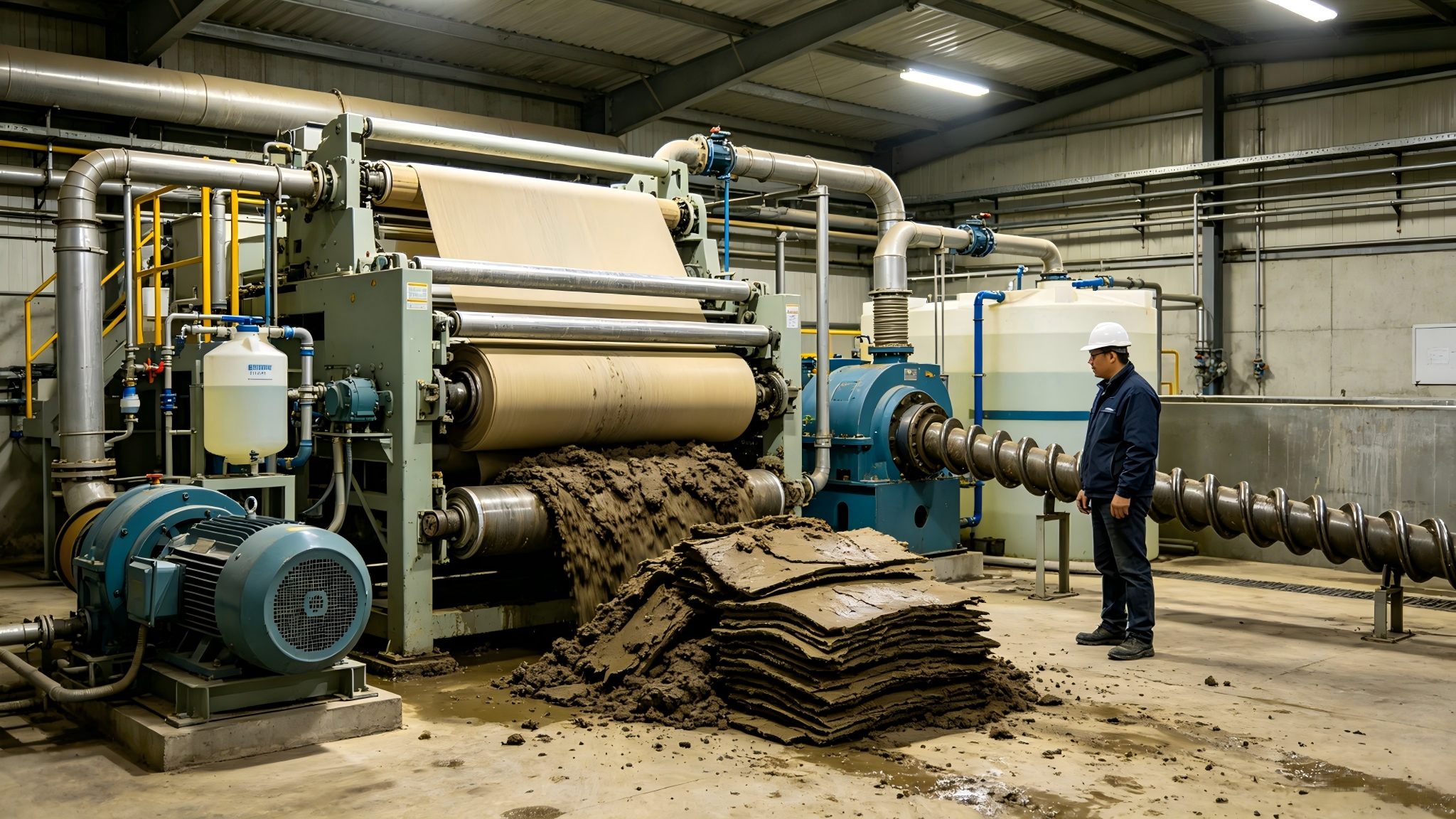
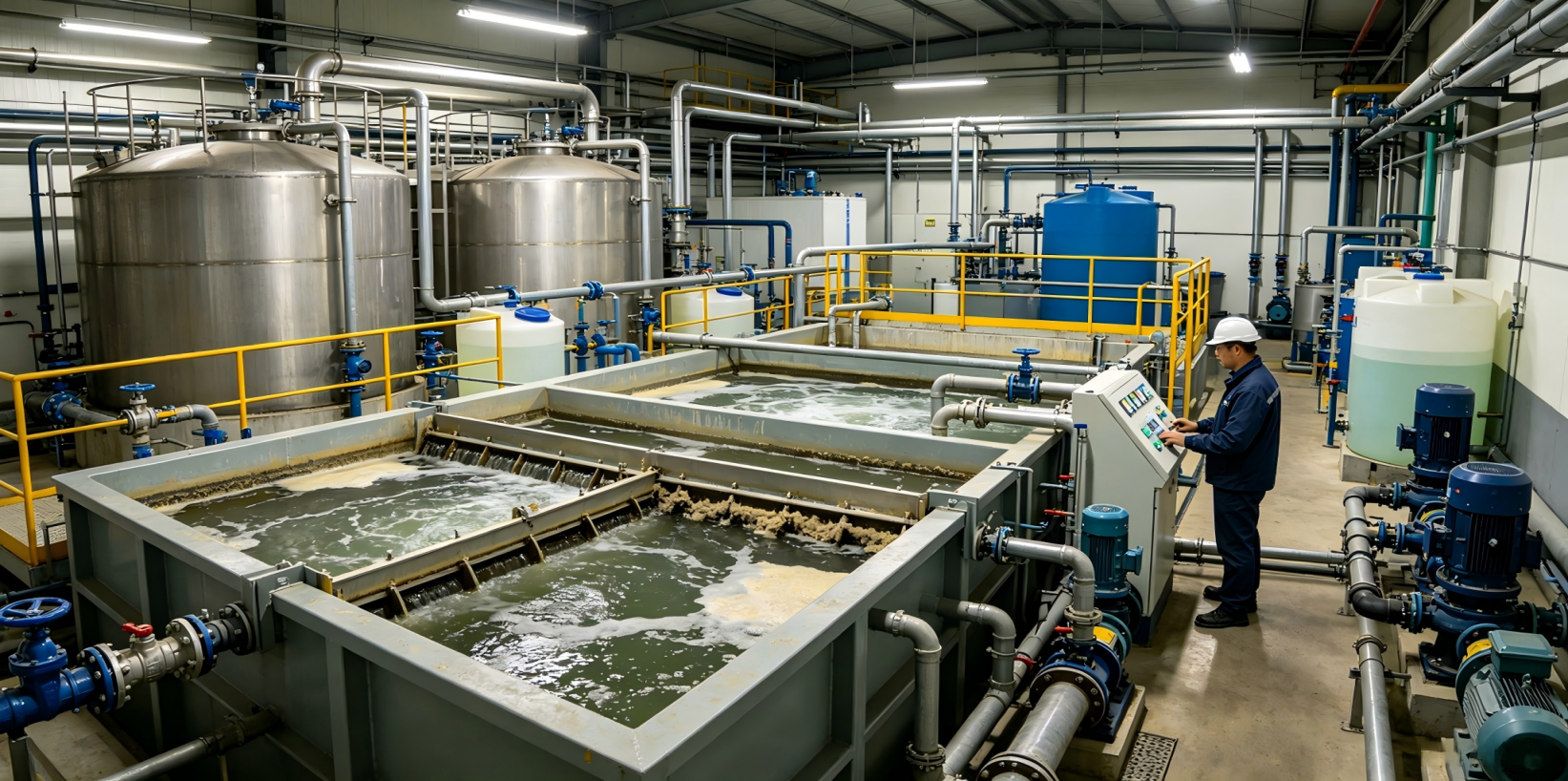
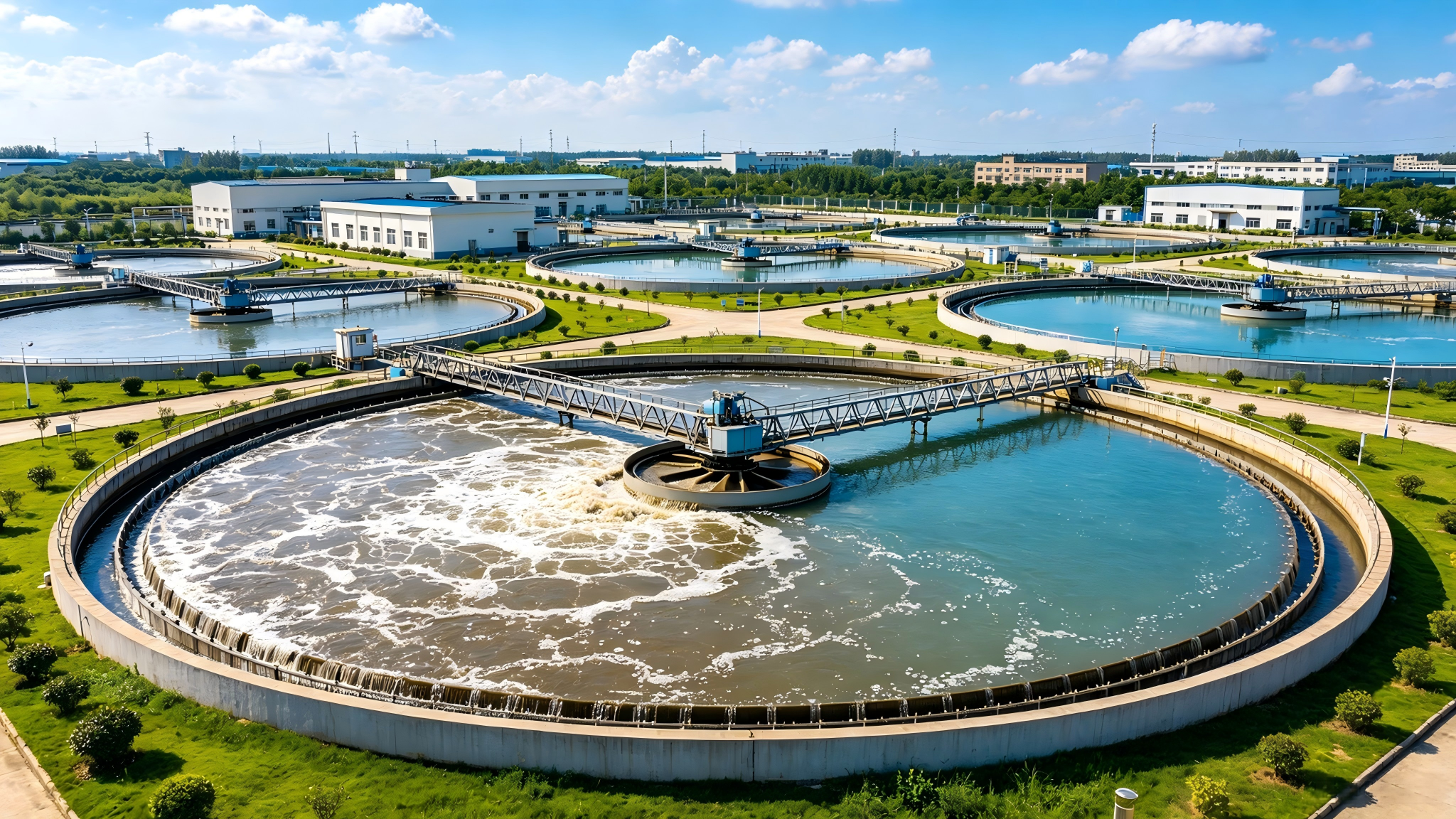
During drilling and hydraulic fracturing, PAM stabilizes borehole walls, inhibits clay swelling, reduces fluid loss and acts as a friction reducer. It improves fracturing‑fluid rheology and enhances proppant‑carrying capacity to facilitate fracture propagation in formations. Moreover, PAM works as an efficient flocculant for produced‑water treatment. It aggregates oil droplets and suspended solids to achieve solid‑liquid separation, enabling treated water to meet standards for reinjection or discharge. Selection of appropriate ionic type, molecular weight and dosage must match reservoir salinity and onsite working conditions to avoid formation damage. Overall, polyacrylamide improves oilfield production efficiency, cuts operational costs and supports sustainable oil‑gas development.