

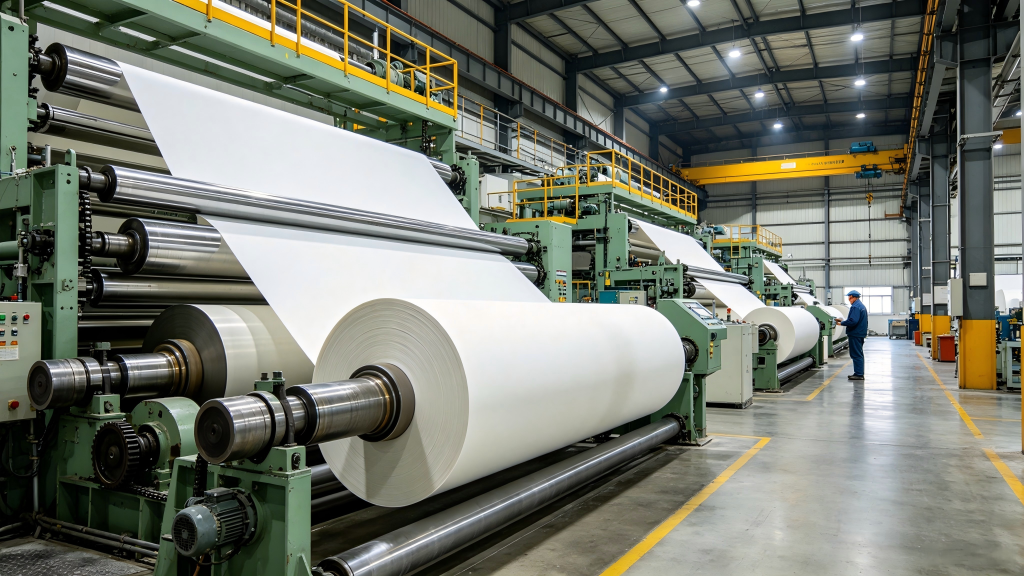
Polyacrylamide (PAM), a high‑performance water‑soluble synthetic polymer, has become an indispensable chemical additive in the modern papermaking industry. Predominantly dosed in the wet‑end of paper machines, it serves as an efficient retention and drainage aid. It adsorbs and aggregates fine cellulose fibers, mineral fillers and tiny colloidal particles, greatly reducing material loss into white water. Meanwhile, it speeds up pulp dewatering on the forming wire, effectively lifting paper‑machine running speed, cutting steam and power consumption, and improving overall production capacity.
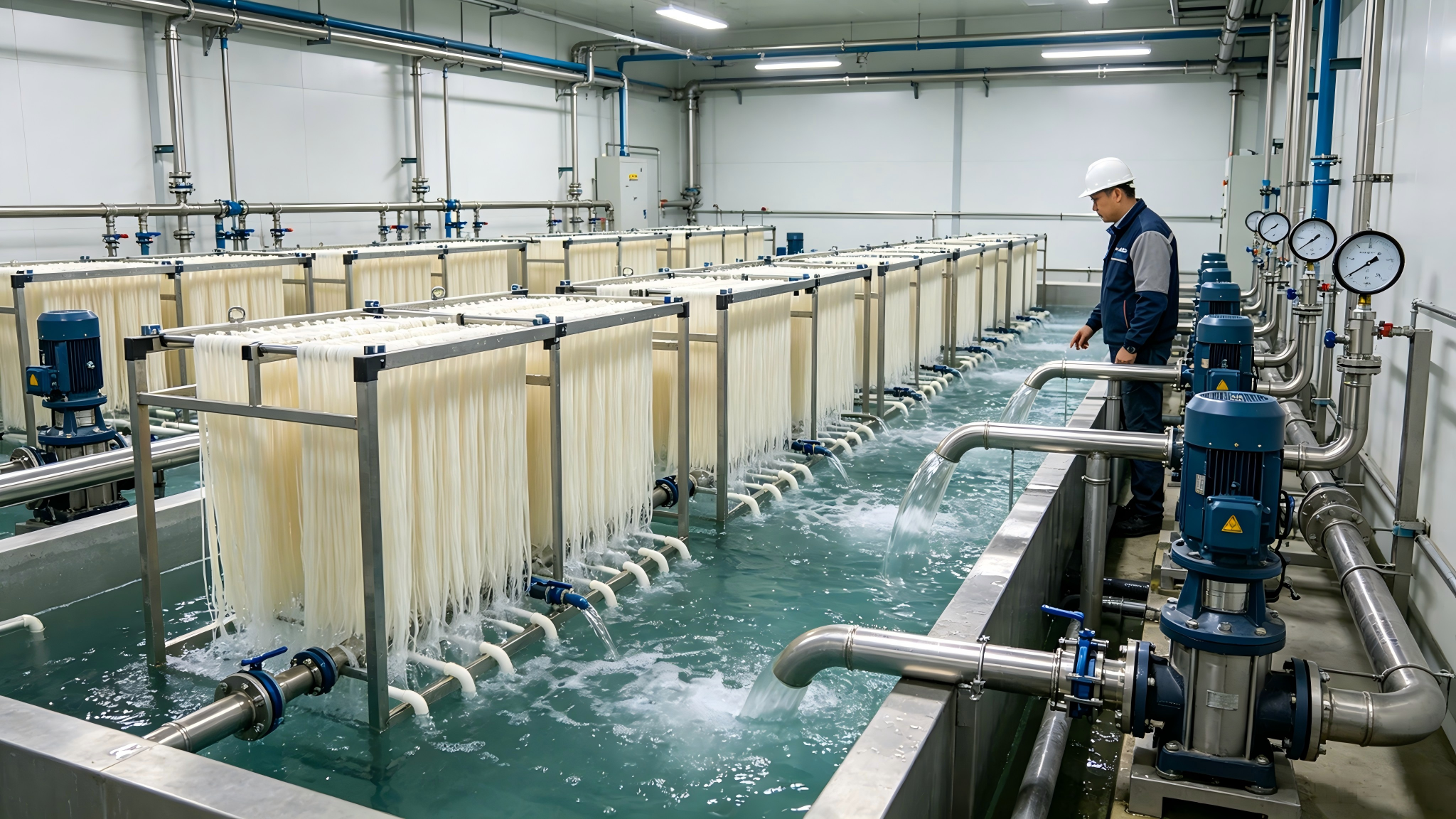
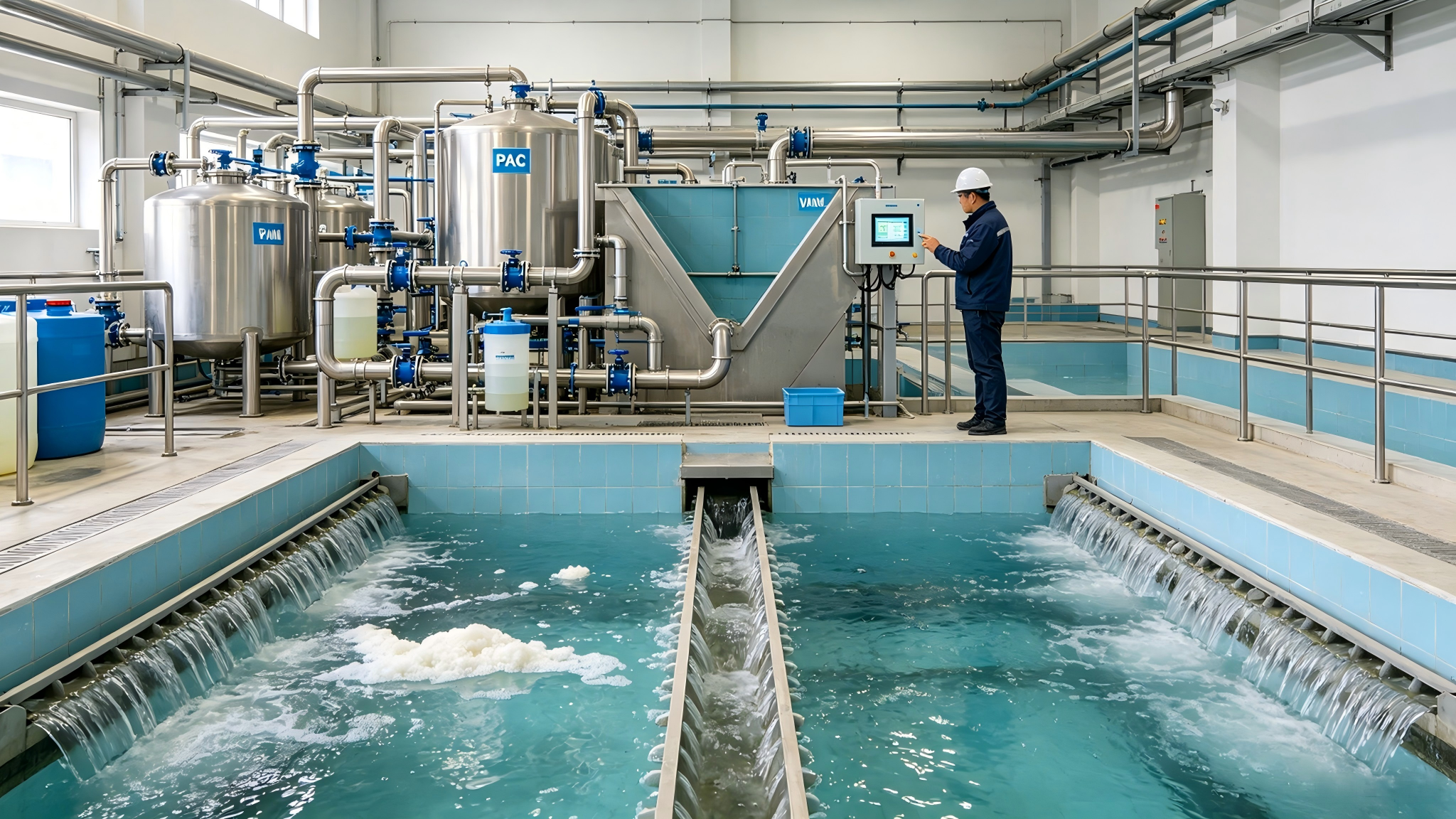
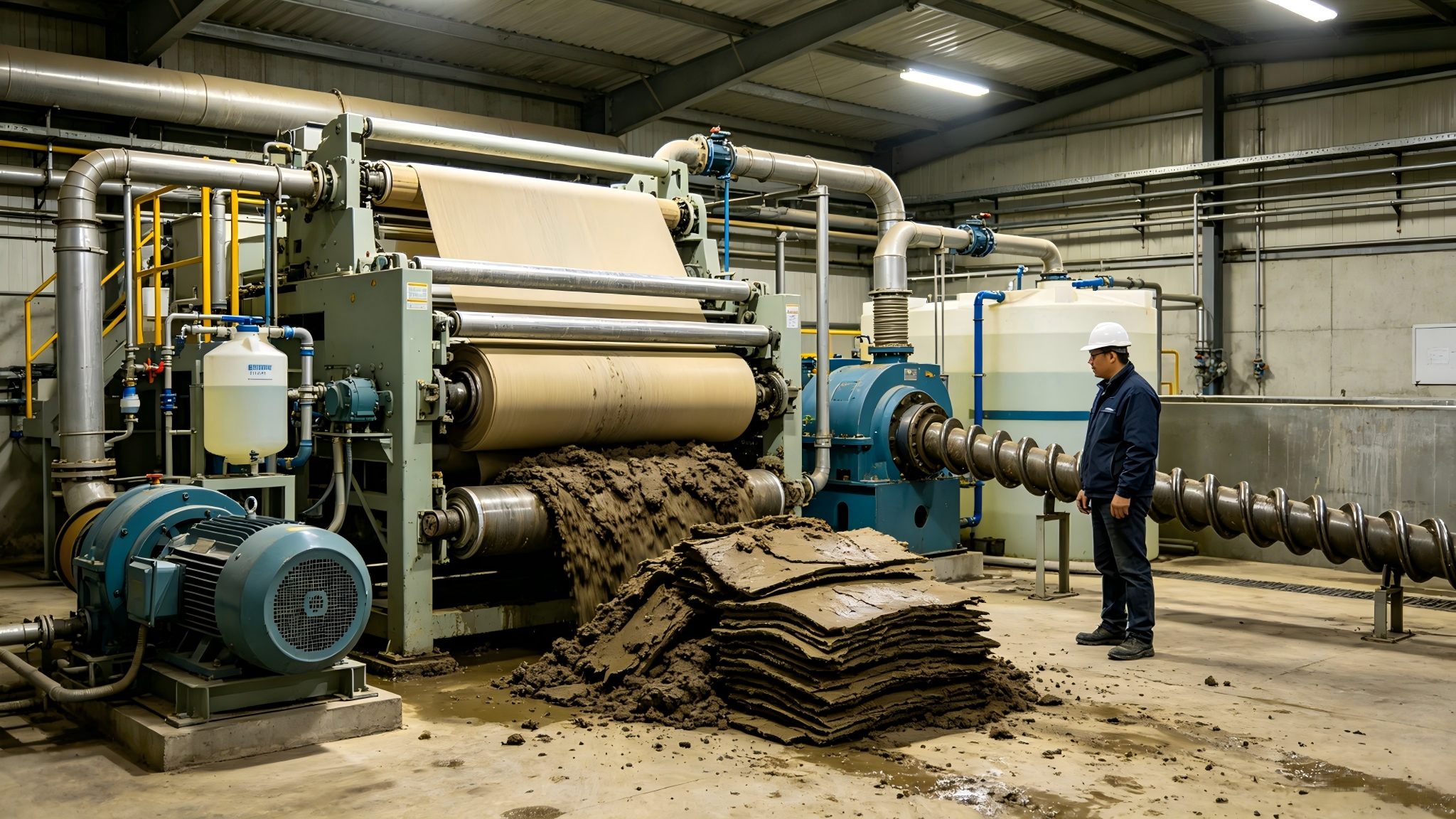
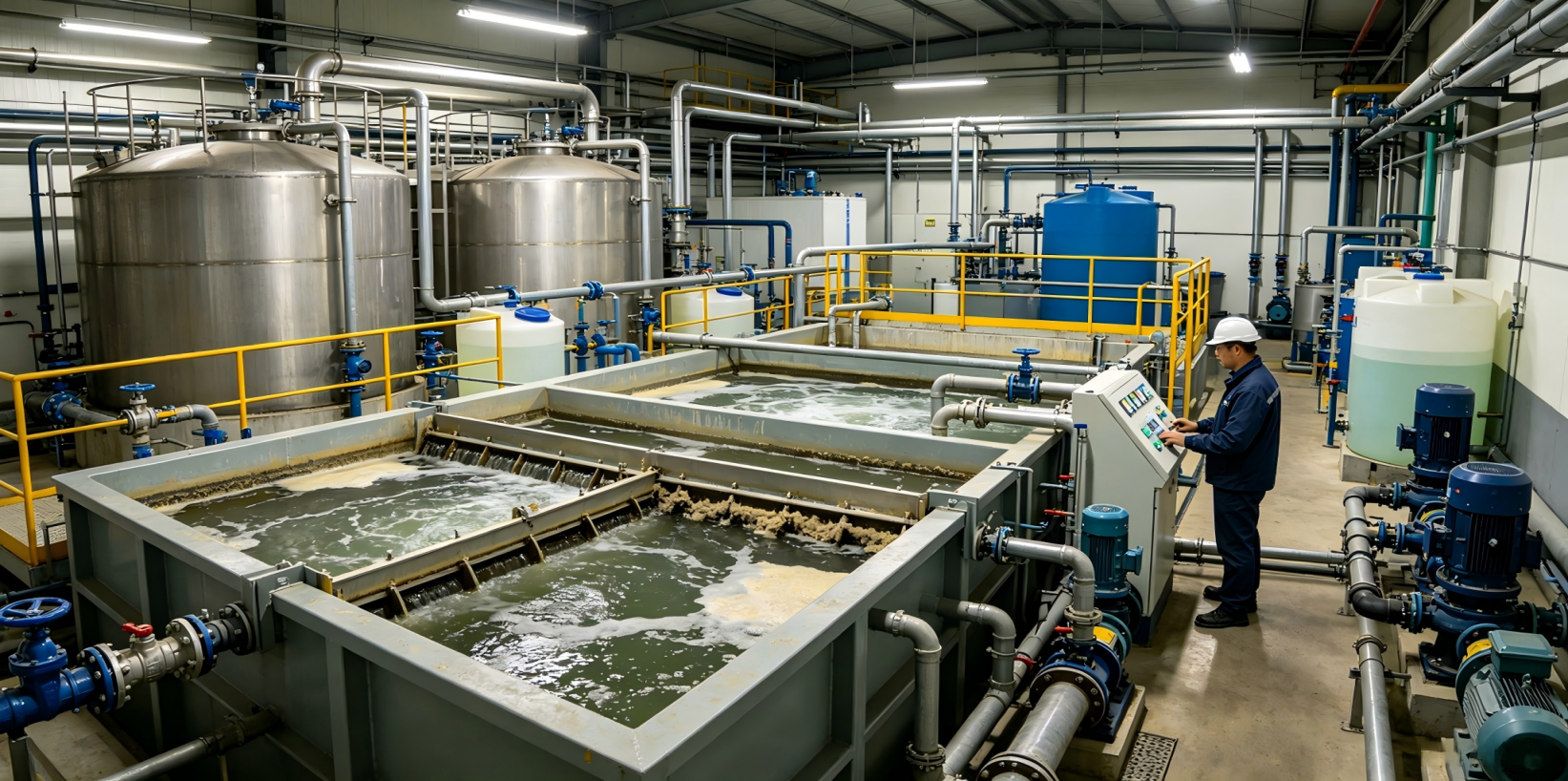
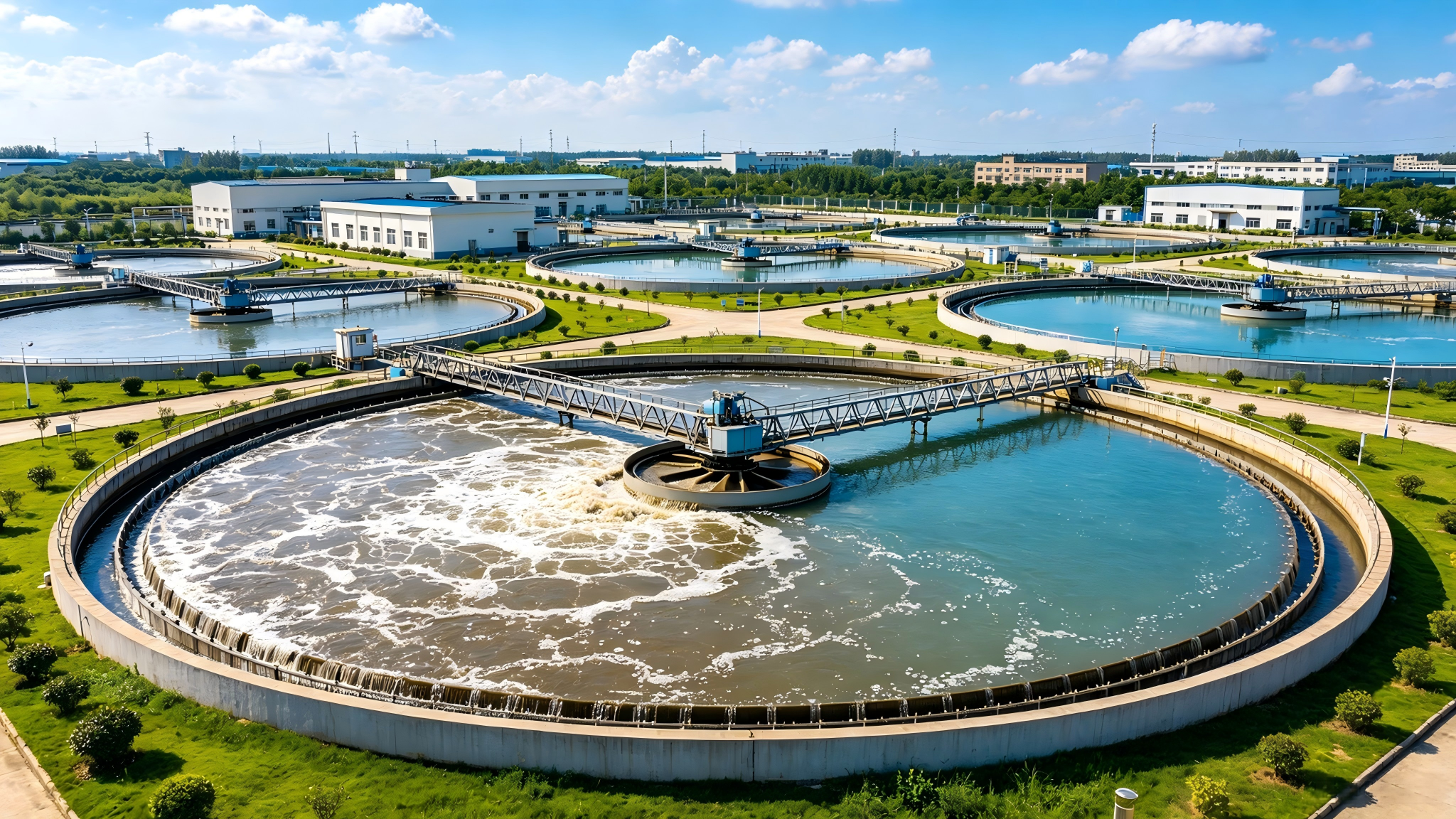
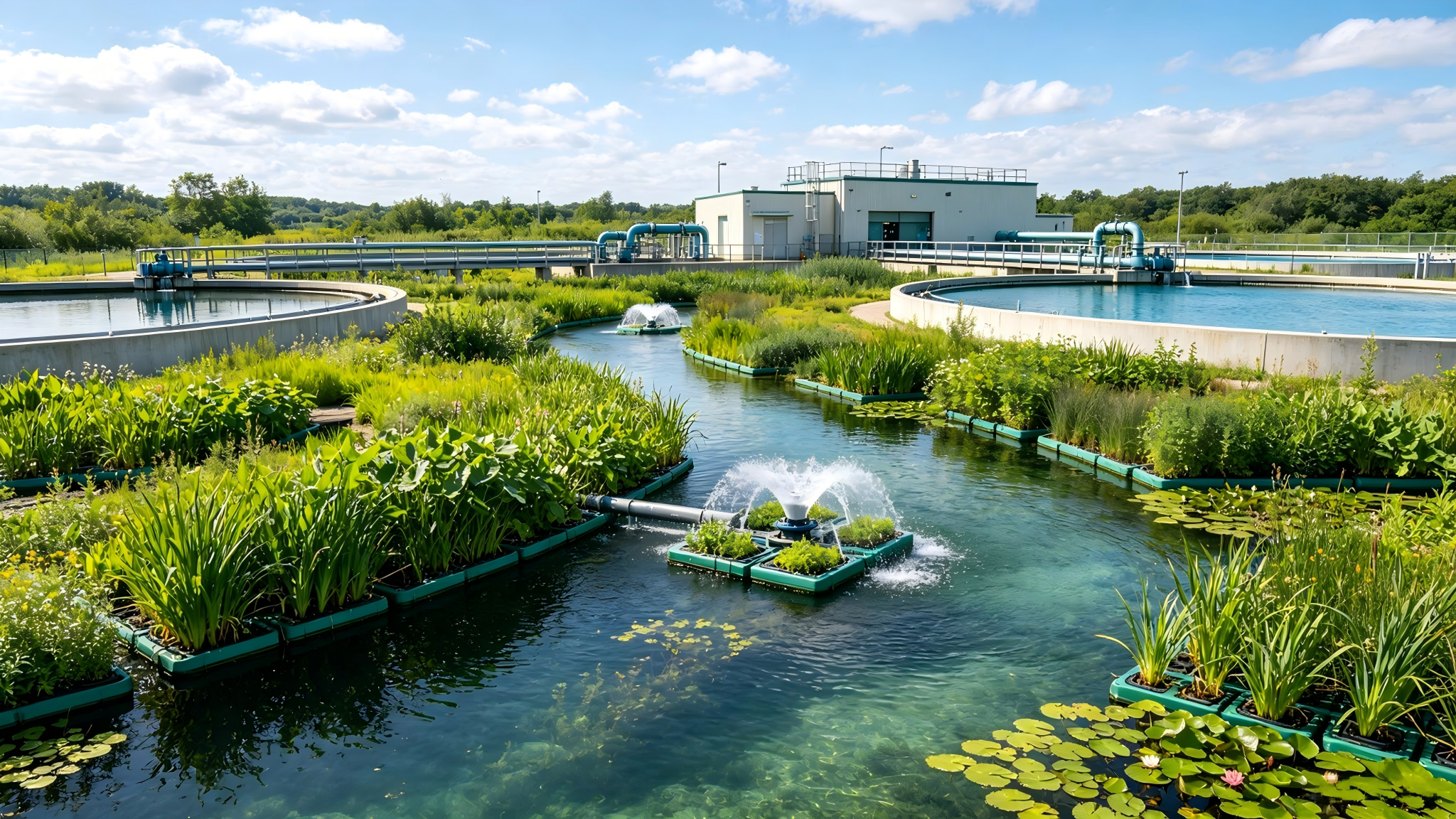
Selective types of polyacrylamide also act as dry‑strength agents. They strengthen fiber‑to‑fiber bonding, enhancing finished paper’s tensile strength, stiffness and surface uniformity without compromising other paper properties. Apart from paper forming processes, PAM works as a reliable flocculant for white‑water recycling and papermaking wastewater treatment. It flocculates suspended solids for solid‑liquid separation, enabling higher water reuse rates and lowering pollutant emissions. In practical production, proper selection of ionic type, molecular weight and dosage of PAM is essential to avoid negative impacts such as foam formation or uneven paper sheets. As a result, polyacrylamide helps paper enterprises reduce raw‑material waste, stabilize product quality and realize energy‑saving and environmentally‑friendly production.