

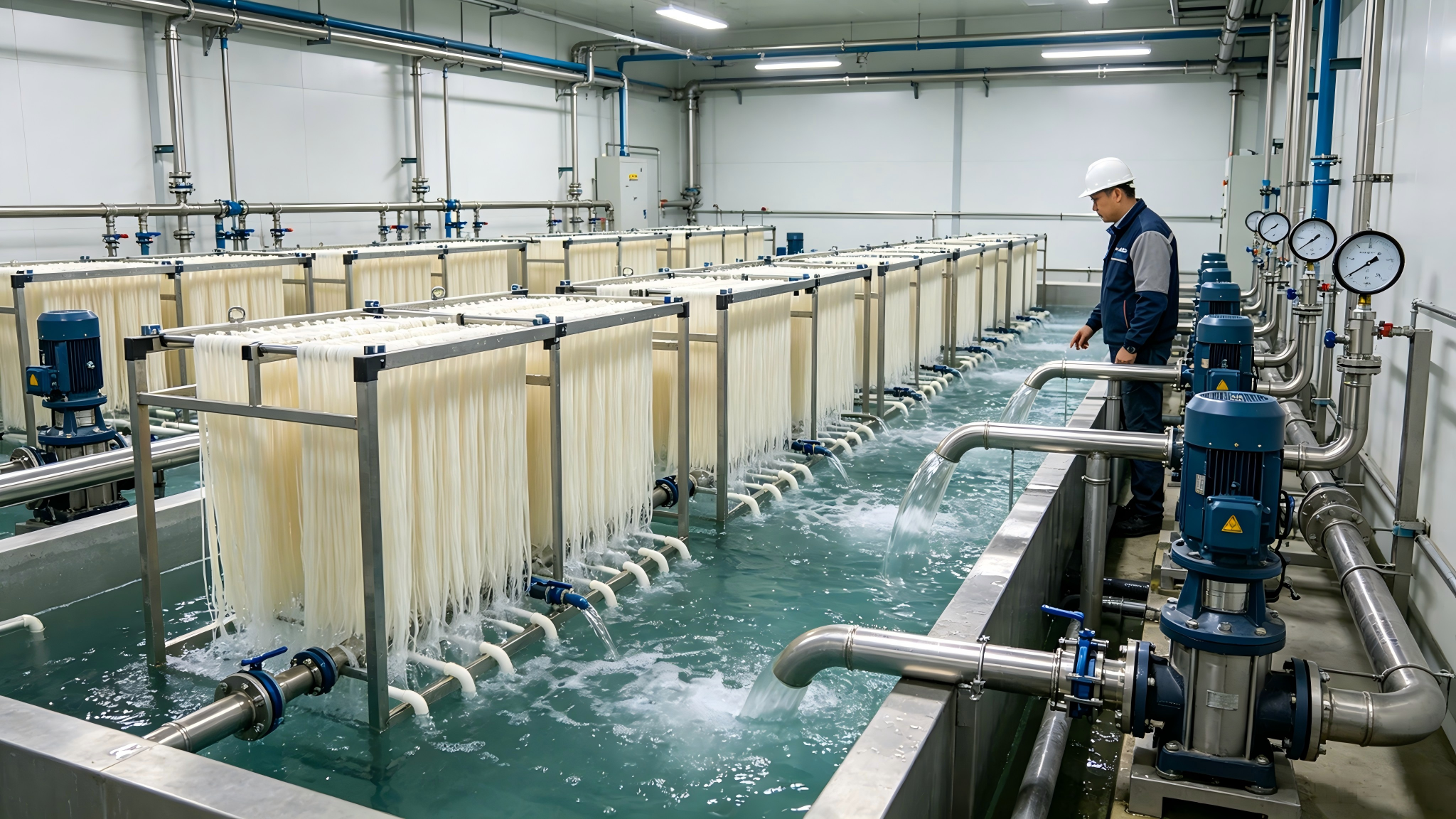
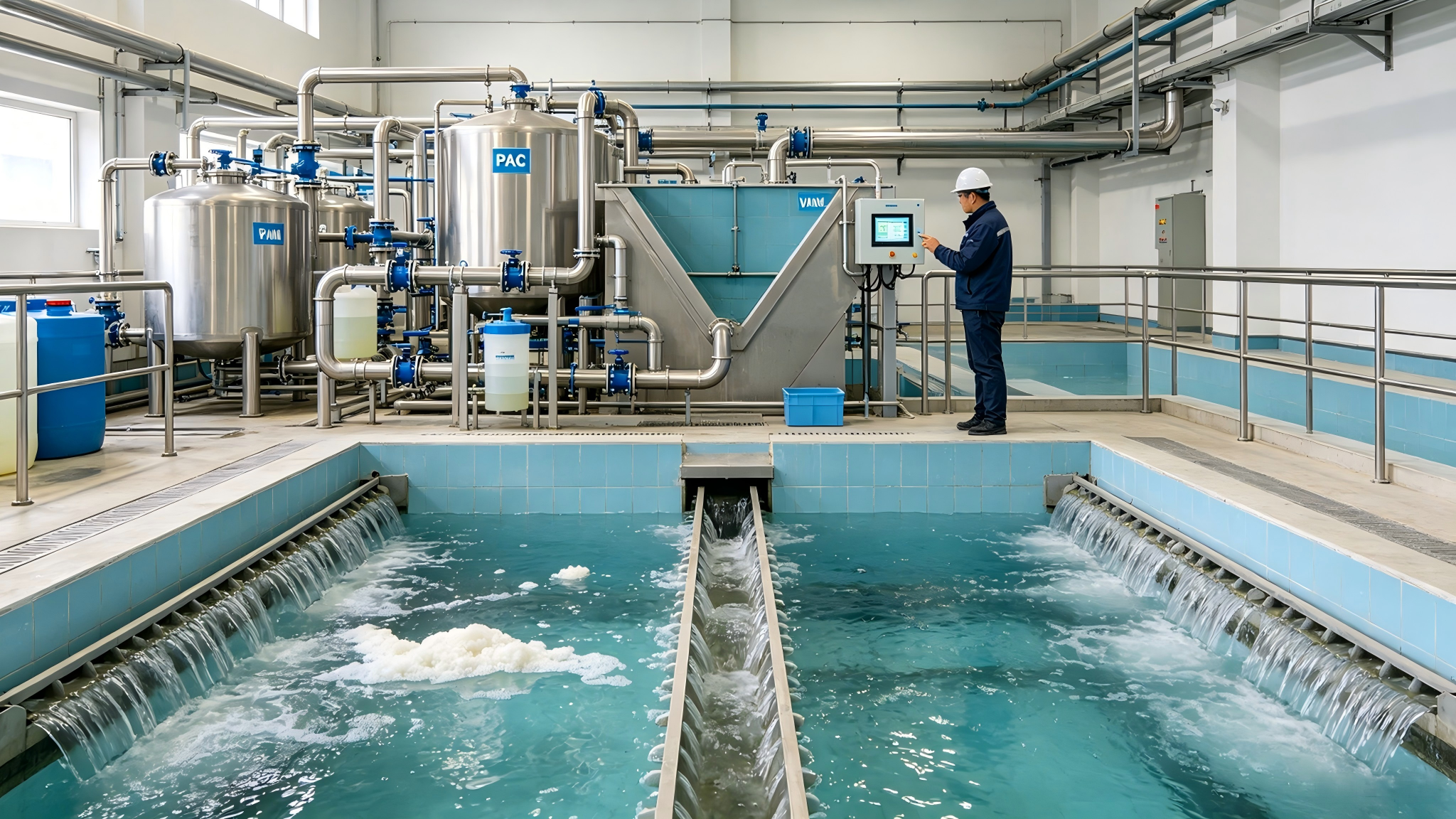
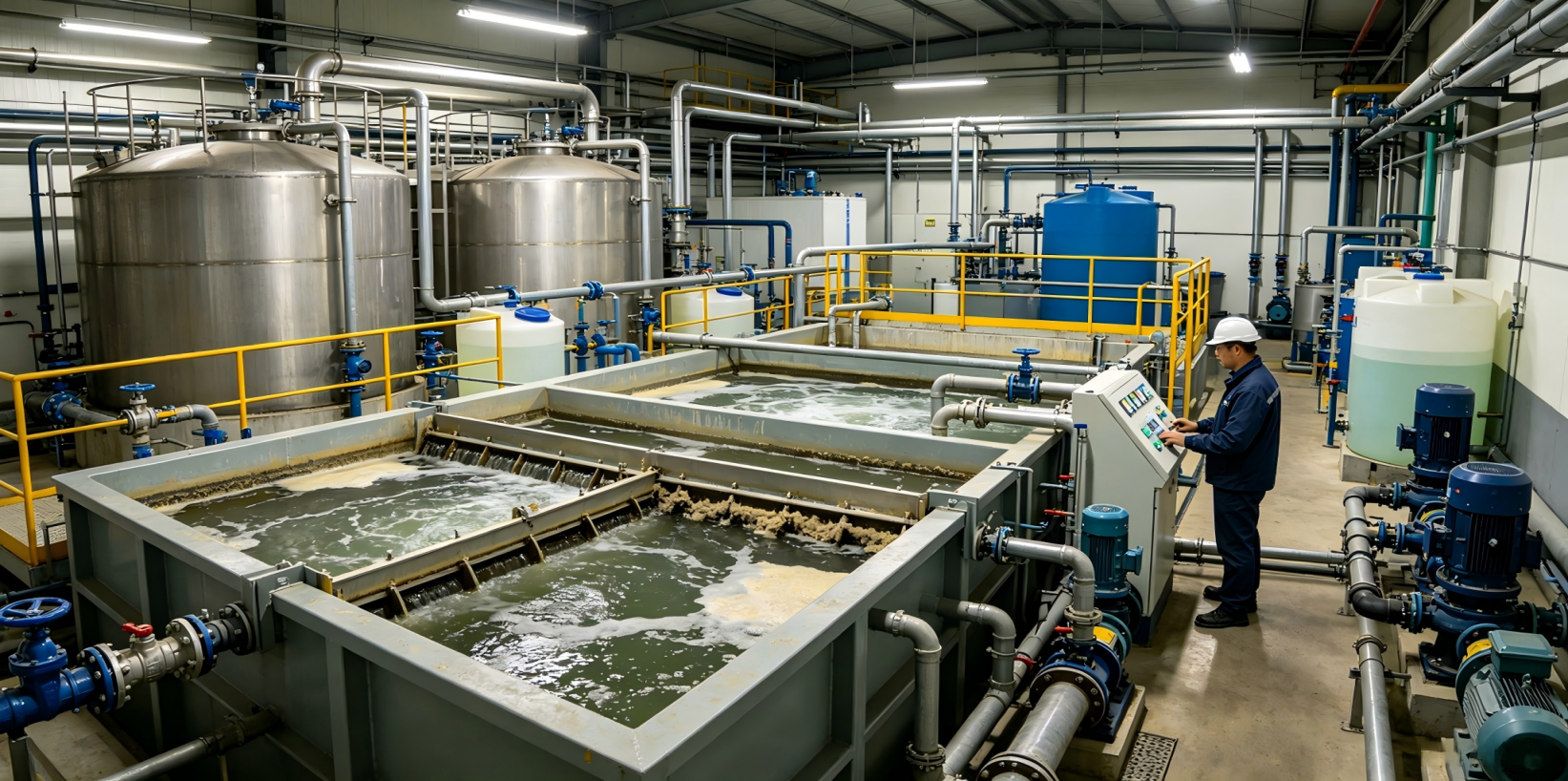
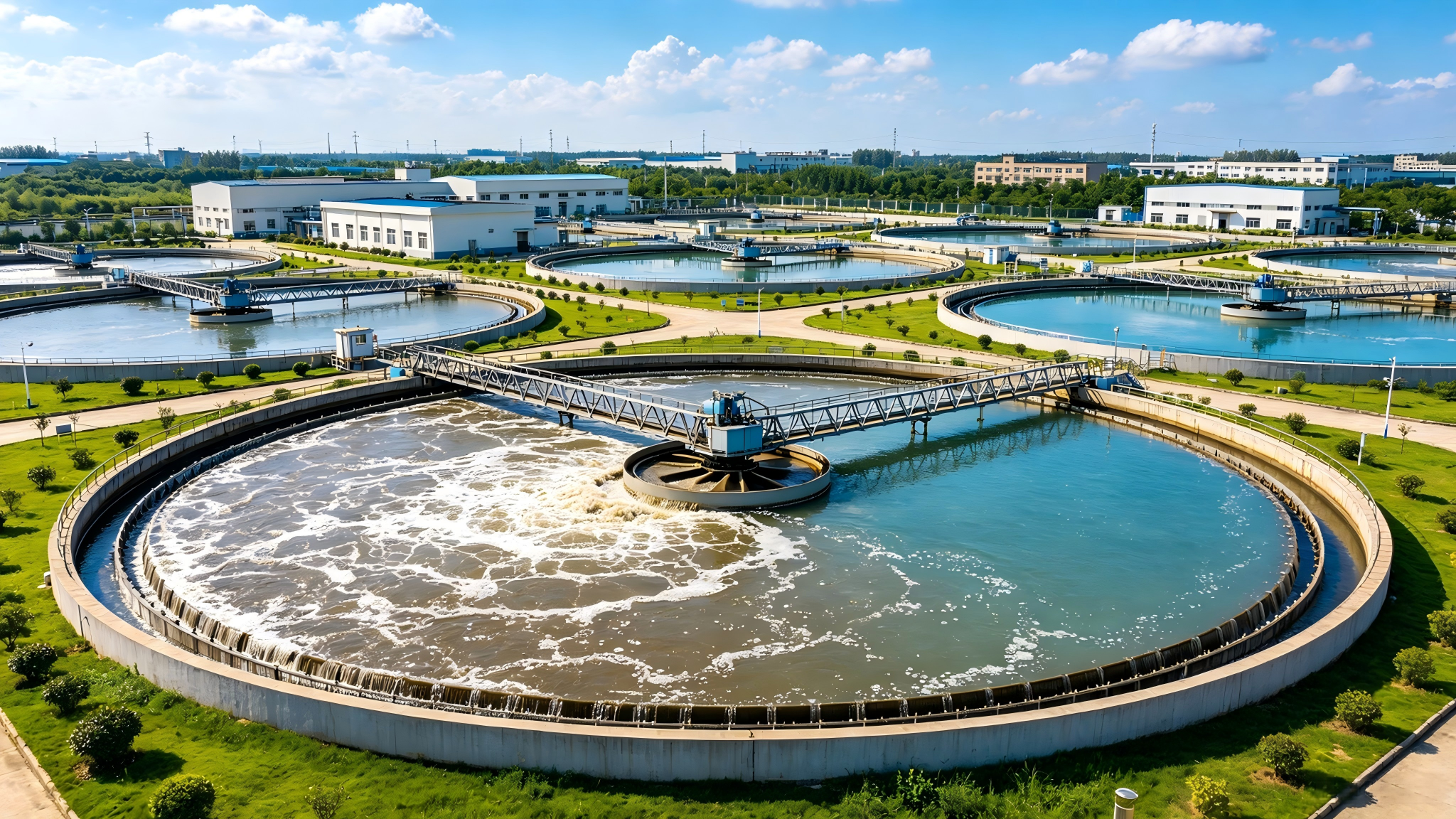

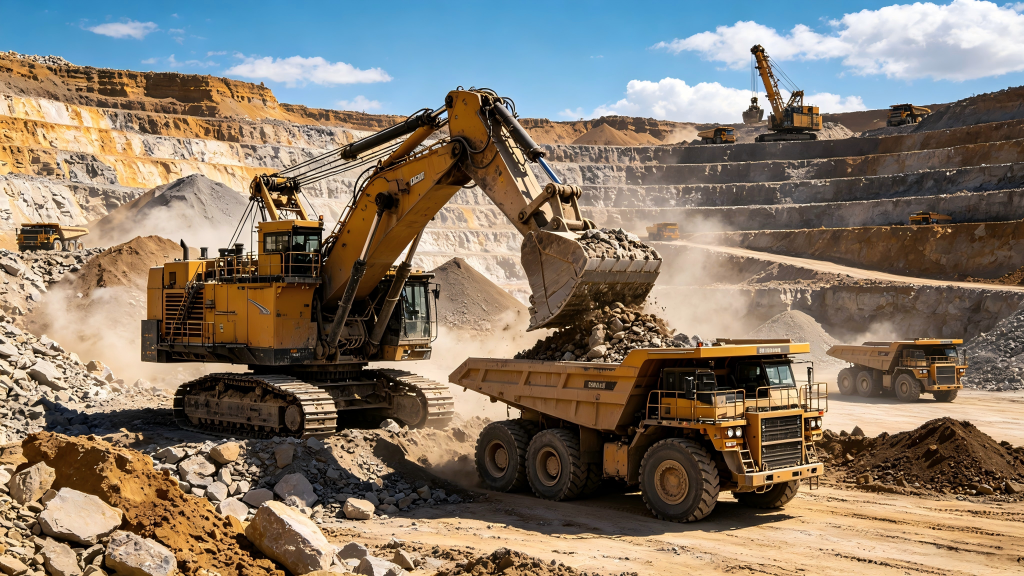
Polyacrylamide (PAM), a high‑molecular‑weight water‑soluble polymer, serves as a critical flocculant widely applied across mineral processing and tailings management in the mining industry. Depending on ore properties and slurry conditions, anionic, cationic or non‑ionic grades are selected for different working scenarios. Through polymer‑bridging effect, its long molecular chains adsorb fine mineral particles, gangue and suspended solids in ore slurry to form large, compact flocs, greatly accelerating sedimentation and solid‑liquid separation in thickeners and settling tanks.
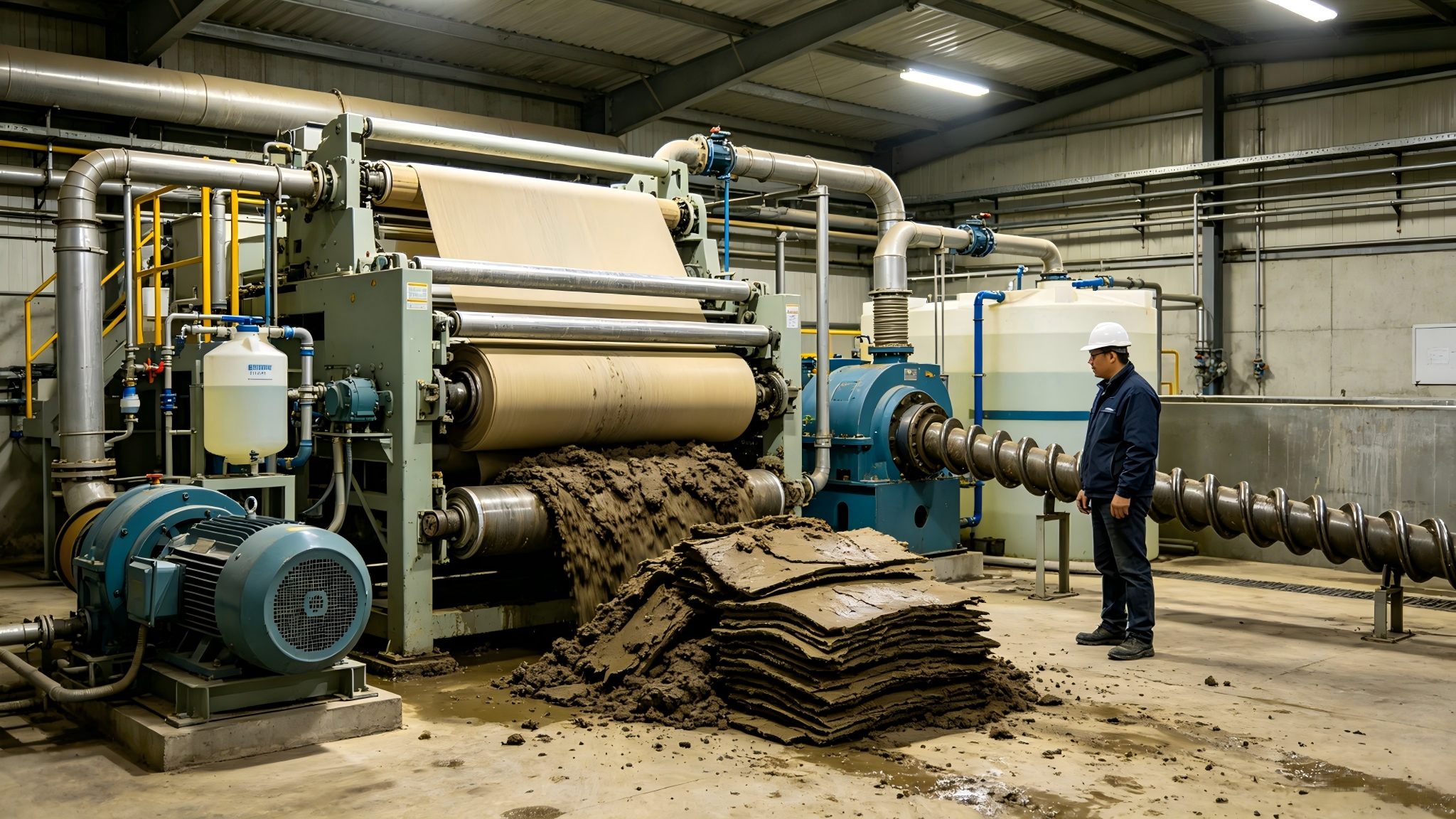
In mineral concentration and coal washing, PAM improves overflow water clarity, raises concentrate recovery efficiency, and enables large‑volume recycling of process water, thus cutting fresh water consumption. For tailings disposal, it significantly boosts filter‑press and centrifugal dewatering performance, producing low‑moisture tailings cakes for dry stacking or backfilling, lowering tailings‑pond occupancy and environmental risks of leakage. Besides, PAM clarifies mining wastewater by removing suspended pollutants before discharge.
Proper selection of ionic type, molecular weight and accurate dosage is essential to avoid over‑flocculation and guarantee stable operation. Overall, polyacrylamide helps mining enterprises increase productivity, reduce operating costs and achieve eco‑friendly mine production.