

Application Scenarios
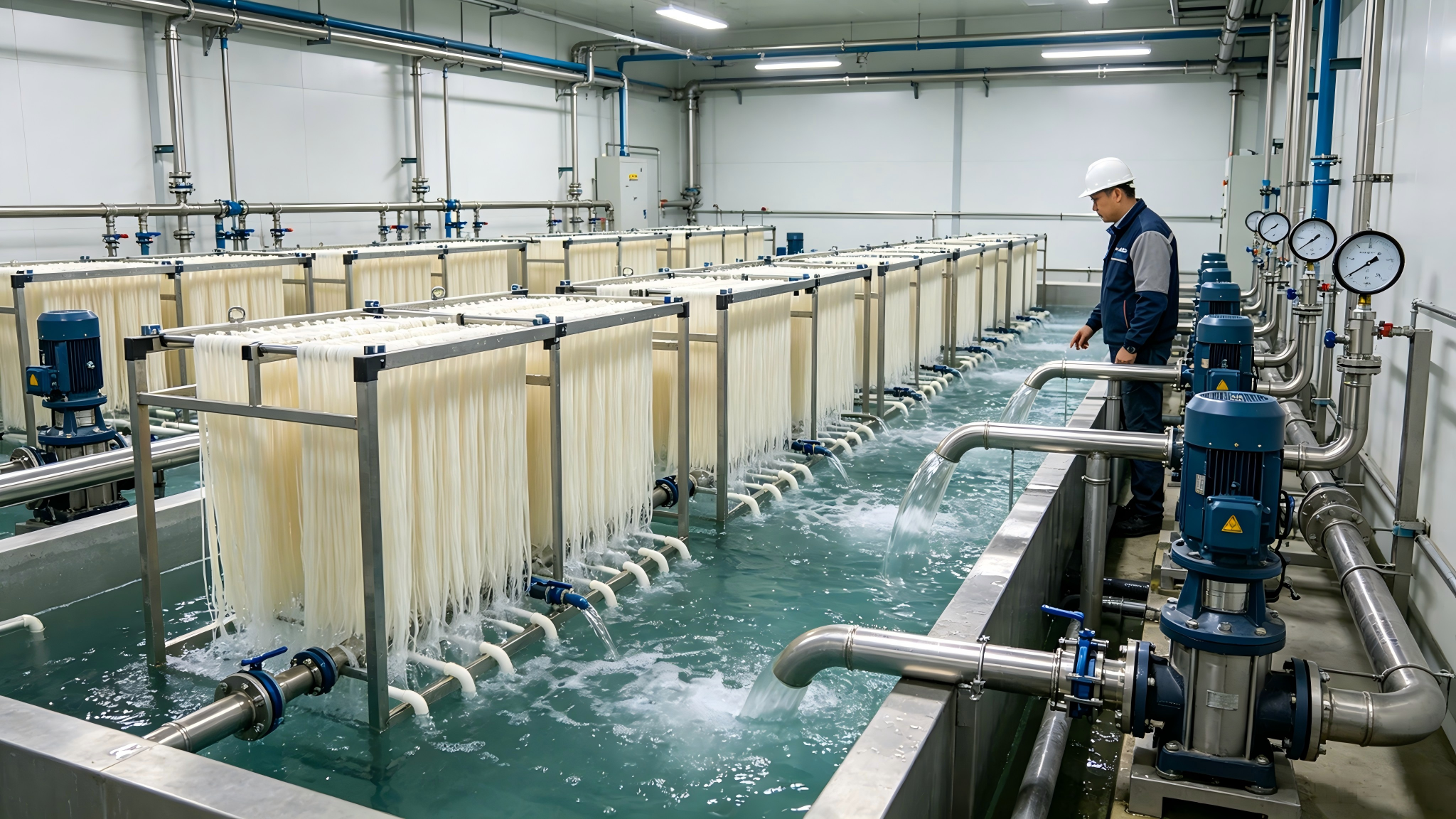
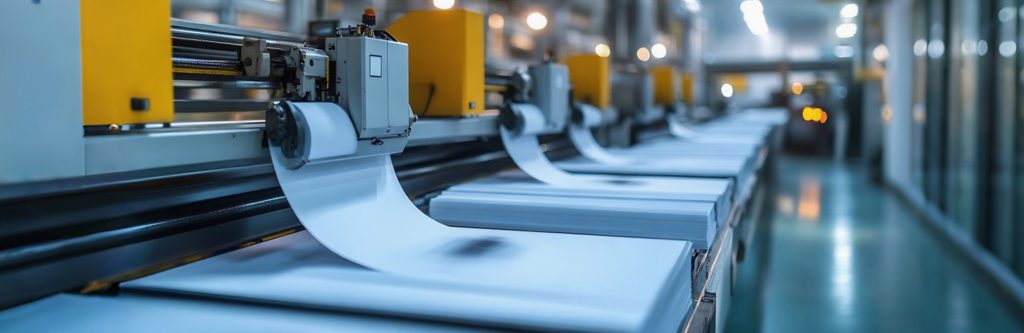
In the white-water recovery section of papermaking systems, the addition of flocculants can effectively reduce white-water concentration, recover fine fibers, reduce the content of suspended solids (SS) in white water, improve white-water reuse rate, and reduce water consumption per ton of paper.
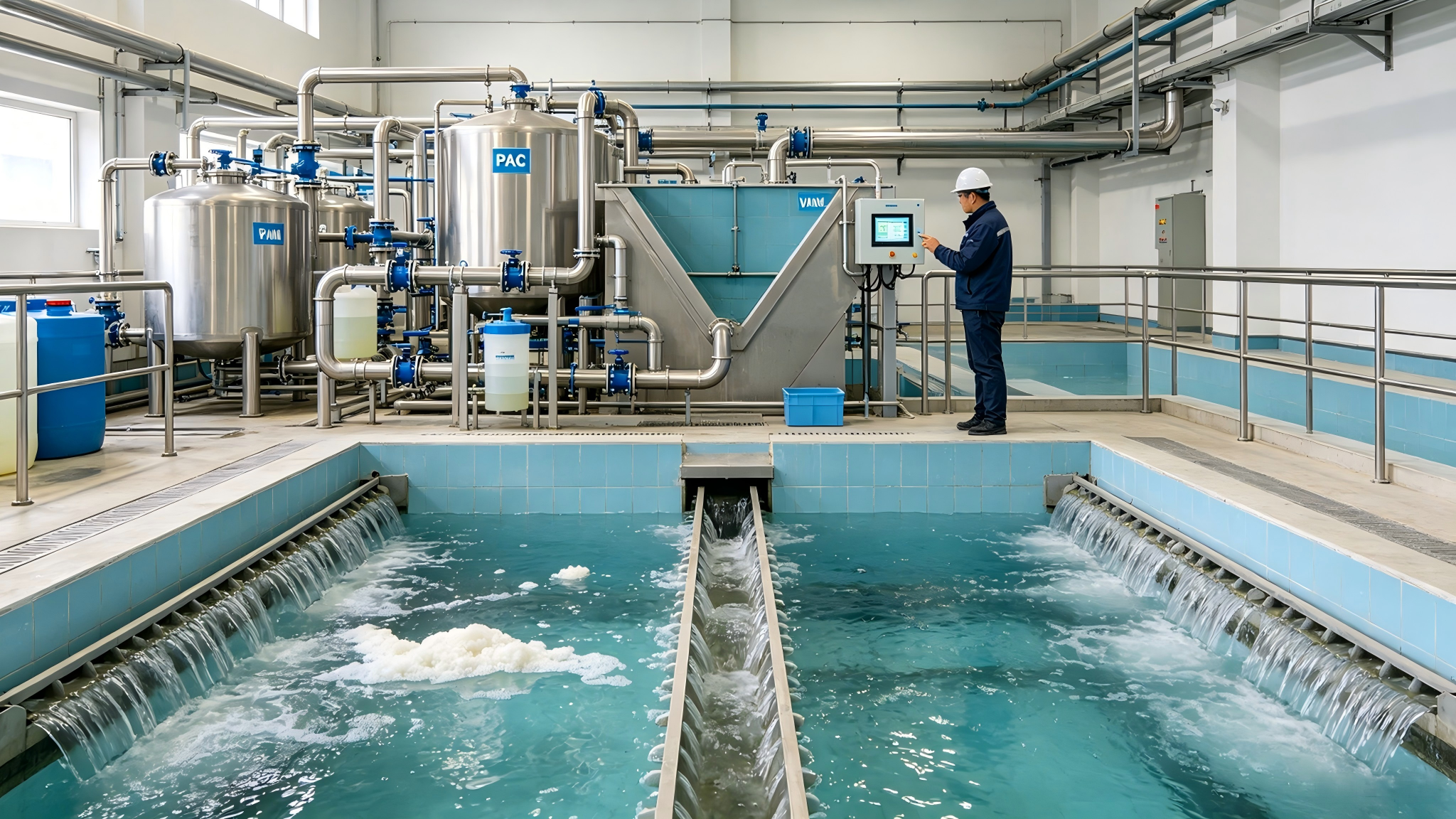
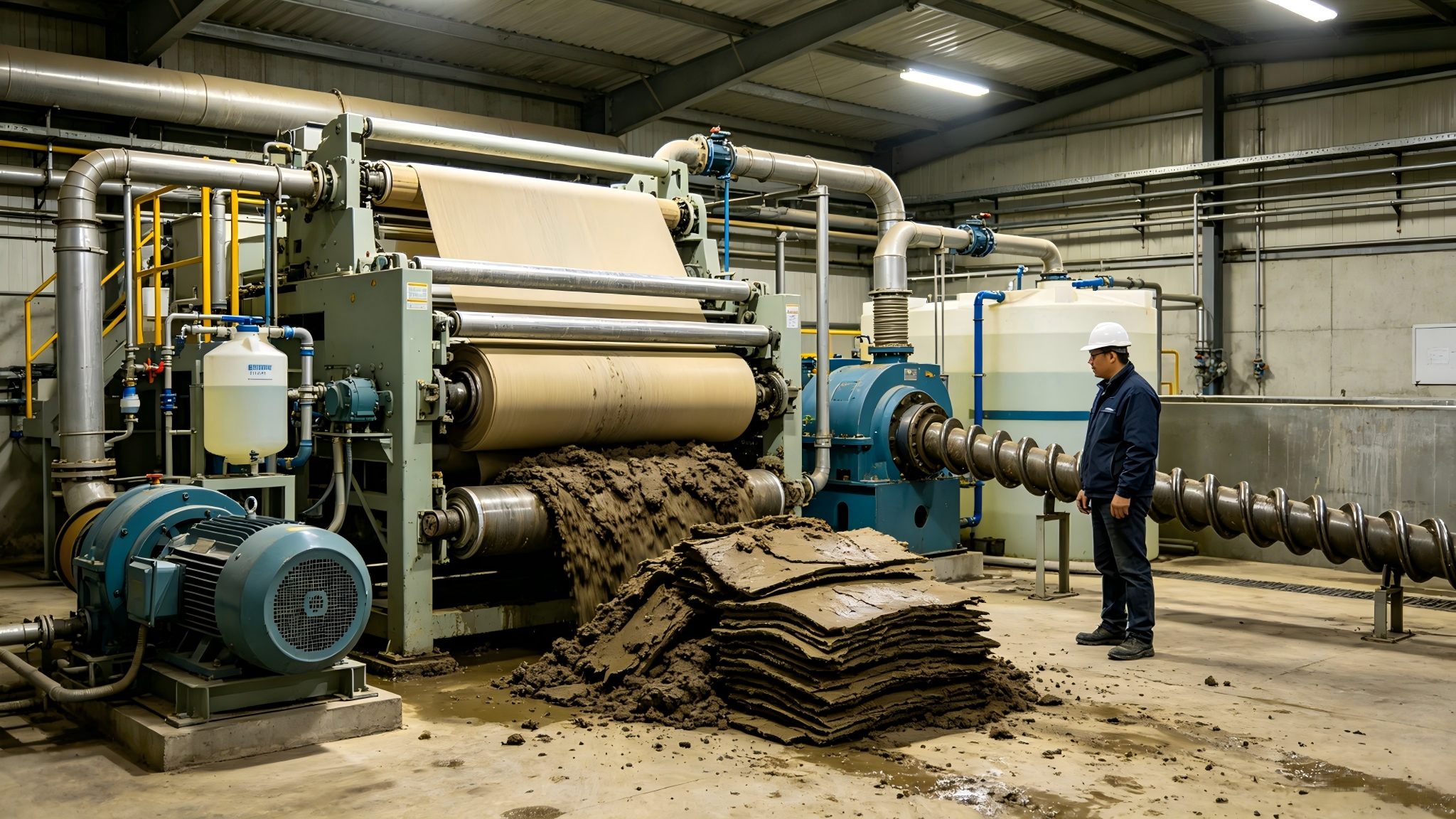
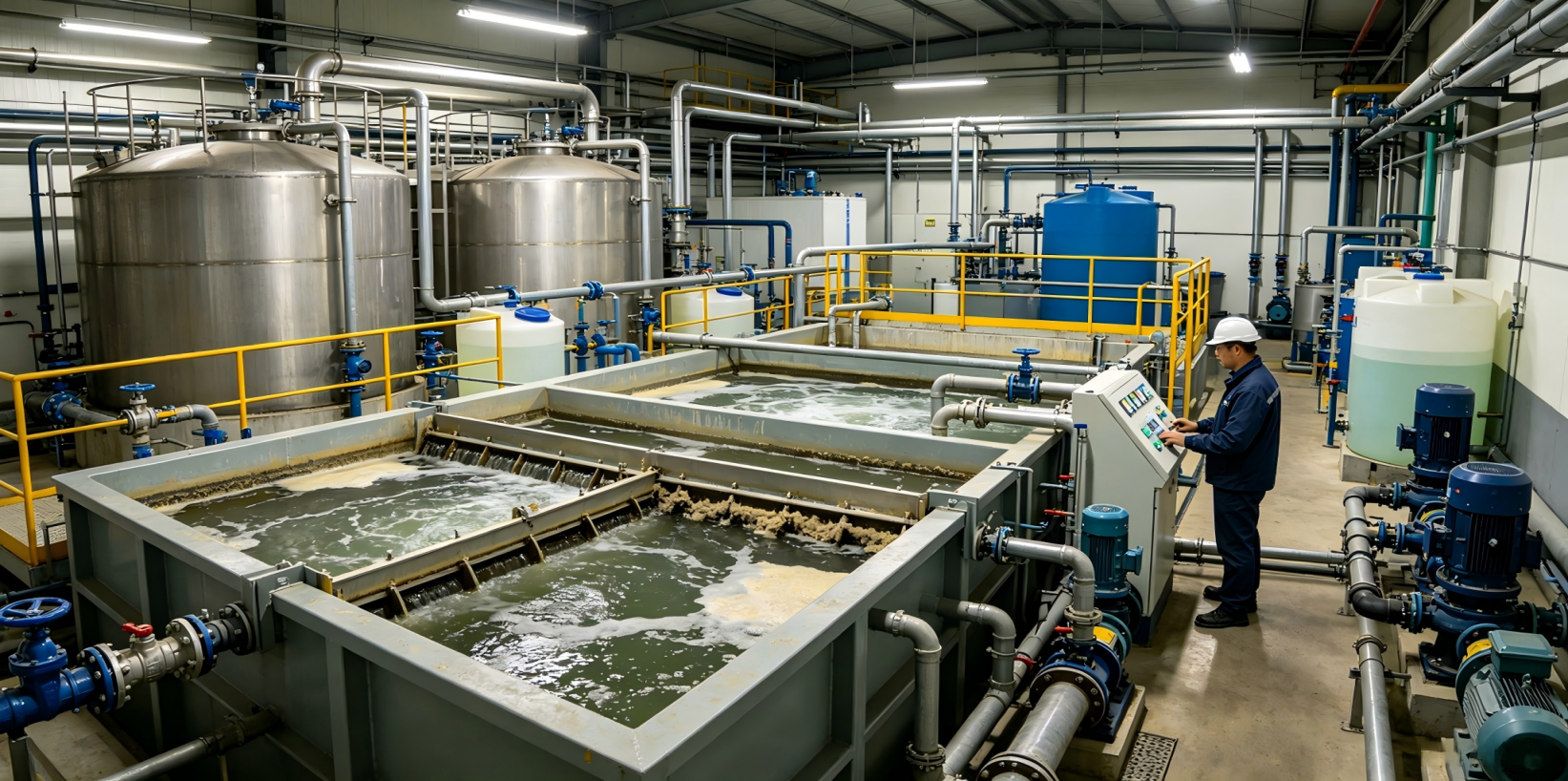
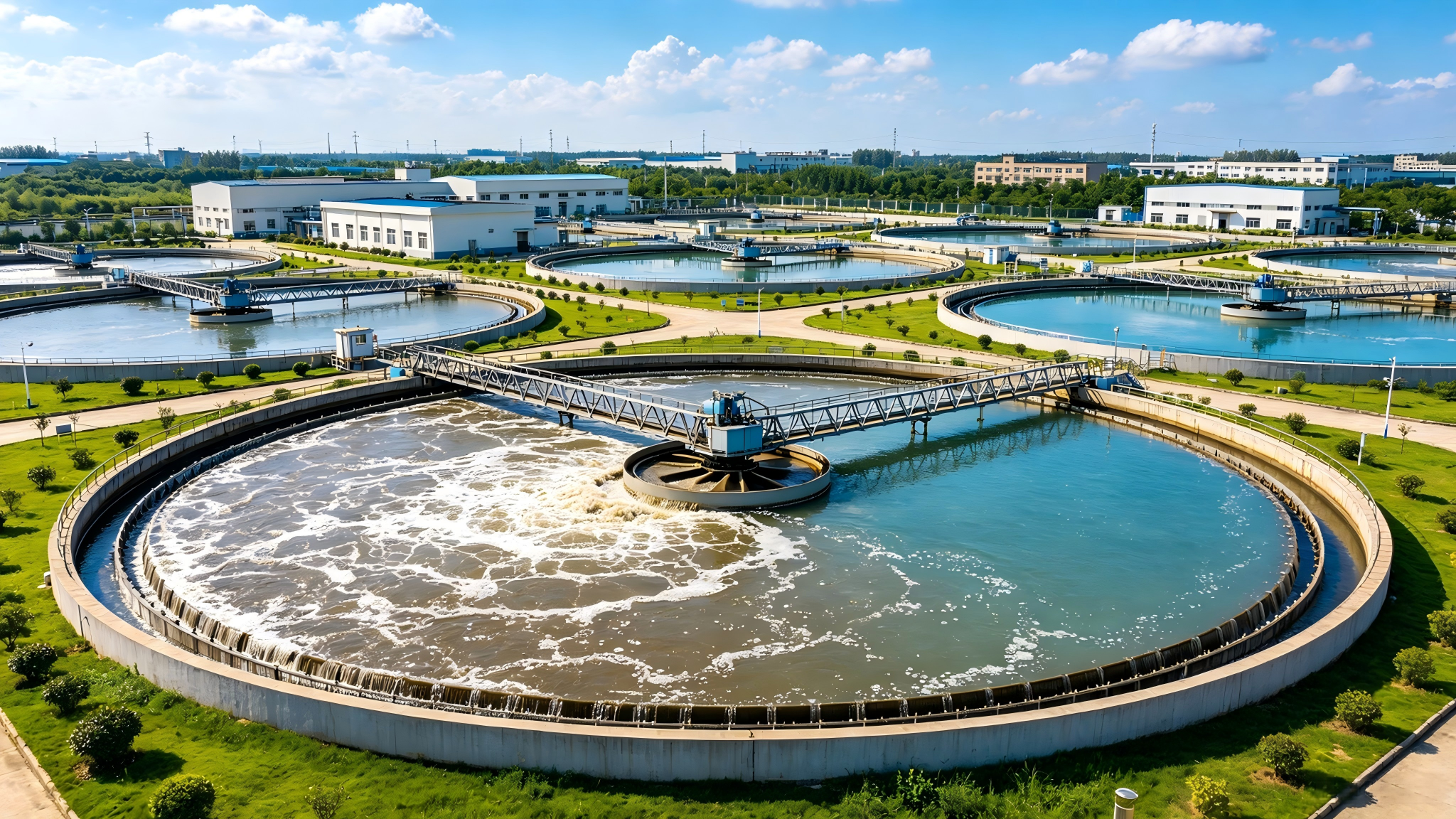
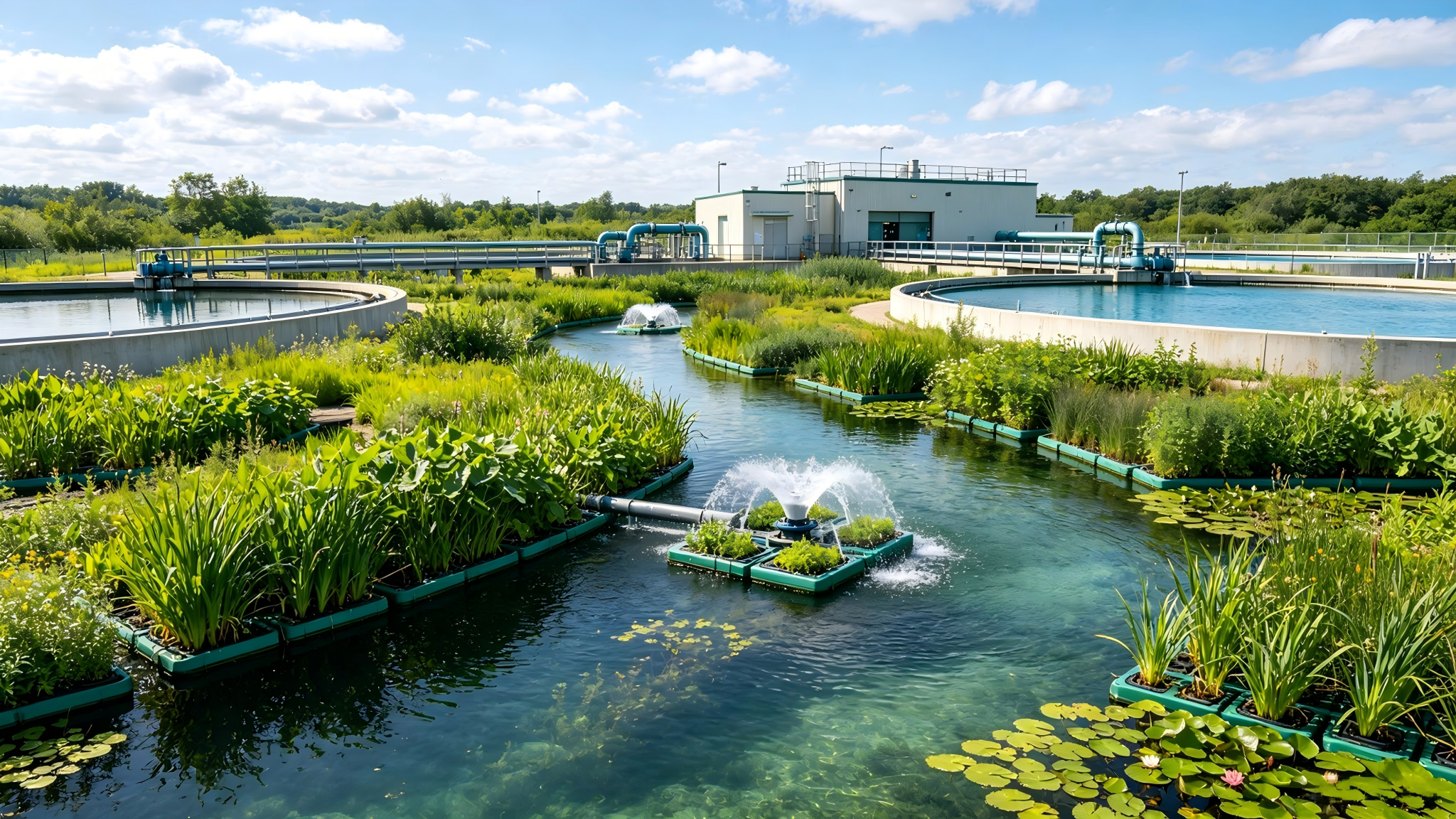
In papermaking wastewater treatment plants, different types of flocculants can be added at different treatment stages to improve treatment efficiency, increase sludge dryness and enhance economic benefits.
Solutions
Different ionic charges and molecular weights can aggregate fine particles, colloidal substances, some dissolved organic matter or inorganic matter in wastewater into larger and denser flocs, accelerate the settling of suspended particles, increase settling speed, and achieve efficient solid-liquid separation.
Product Overview
| Product | Ionicity | Application | Features | Performance Summary |
| Water Treatment Flocculant | Cationic | Papermaking sludge dewatering treatment | High molecular weight, low charge density / high molecular weight, high charge density | Large-molecule structure with different charge densities adapts to different wastewater impurities, promotes sludge settling, and then achieves effective solid-liquid separation through purification and filtration. |
| Water Treatment Flocculant | Anionic | Wastewater air flotation treatment and sedimentation | High molecular weight; medium to low hydrolysis degree | Large molecular structure provides a thickening effect, adsorbs wastewater impurities, forms stable flocs, promotes the settling of sludge and suspended solids, and achieves solid-liquid separation after purification and filtration. |
| Water Treatment Flocculant | Nonionic | Wastewater sedimentation | Low molecular weight; low hydrolysis degree | Medium-to-high molecular structure with nonionic characteristics avoids electrostatic repulsion of contaminants, effectively binds impurities, and enables solid-liquid separation after purification and filtration. |