

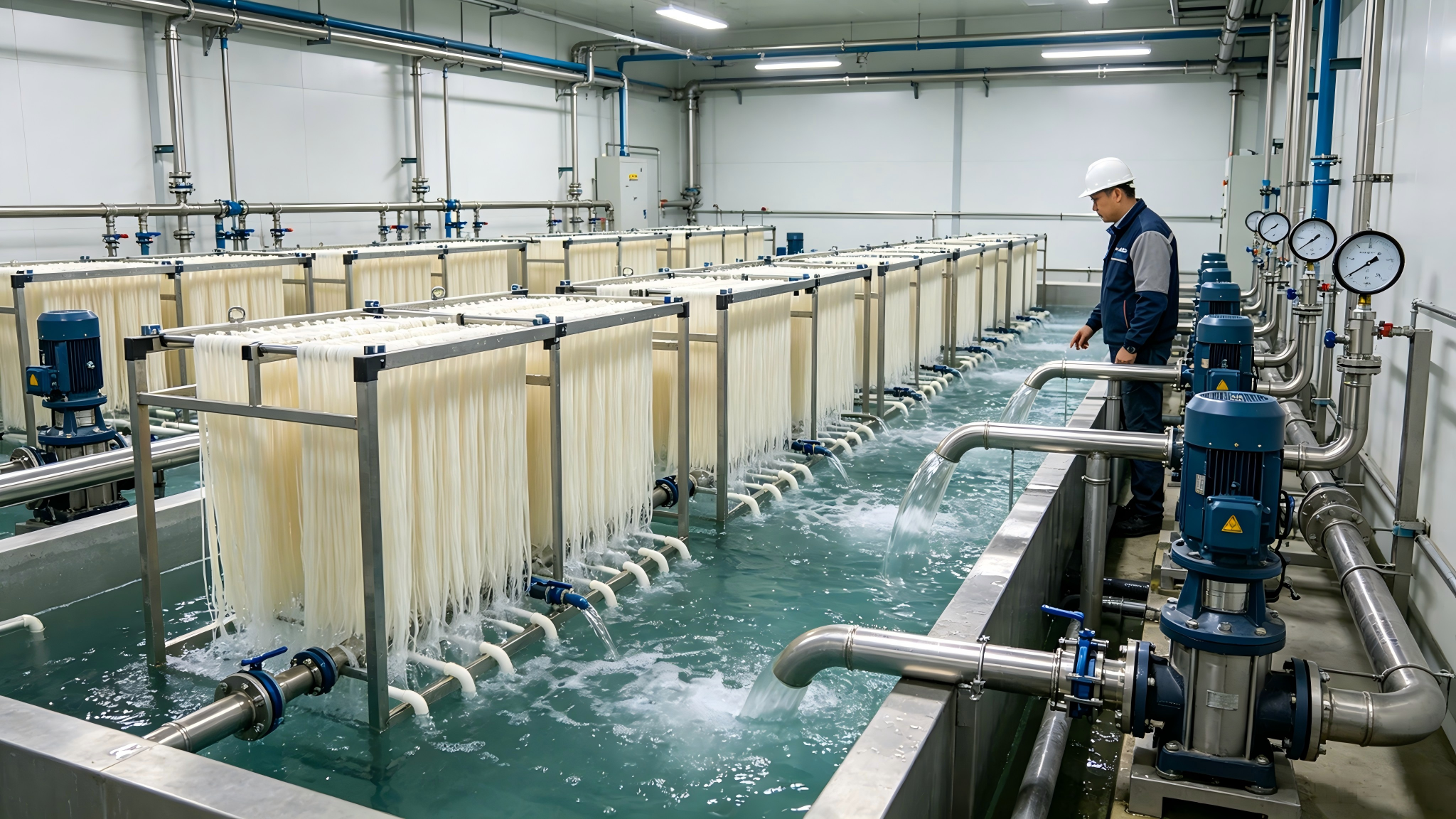
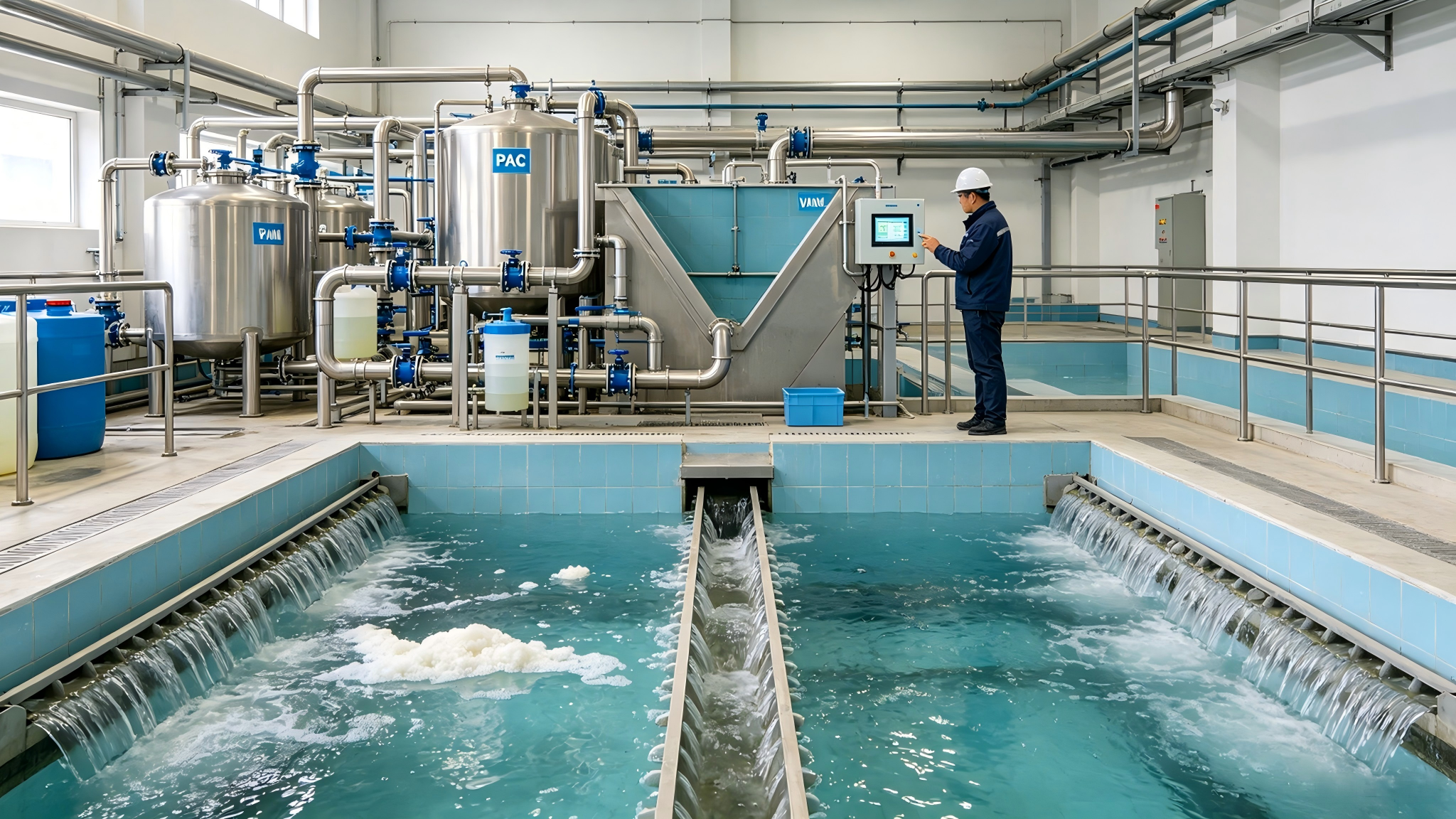
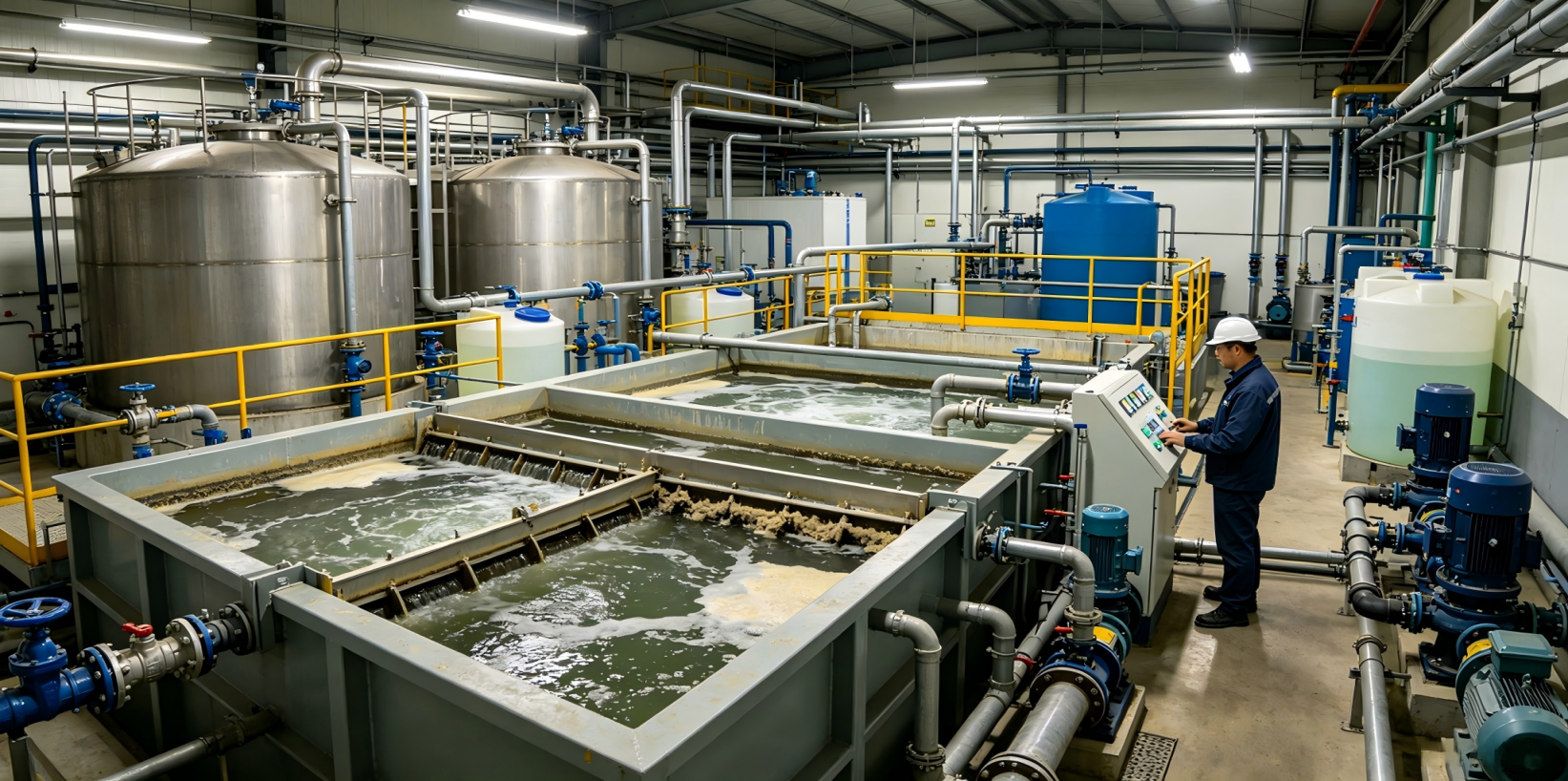
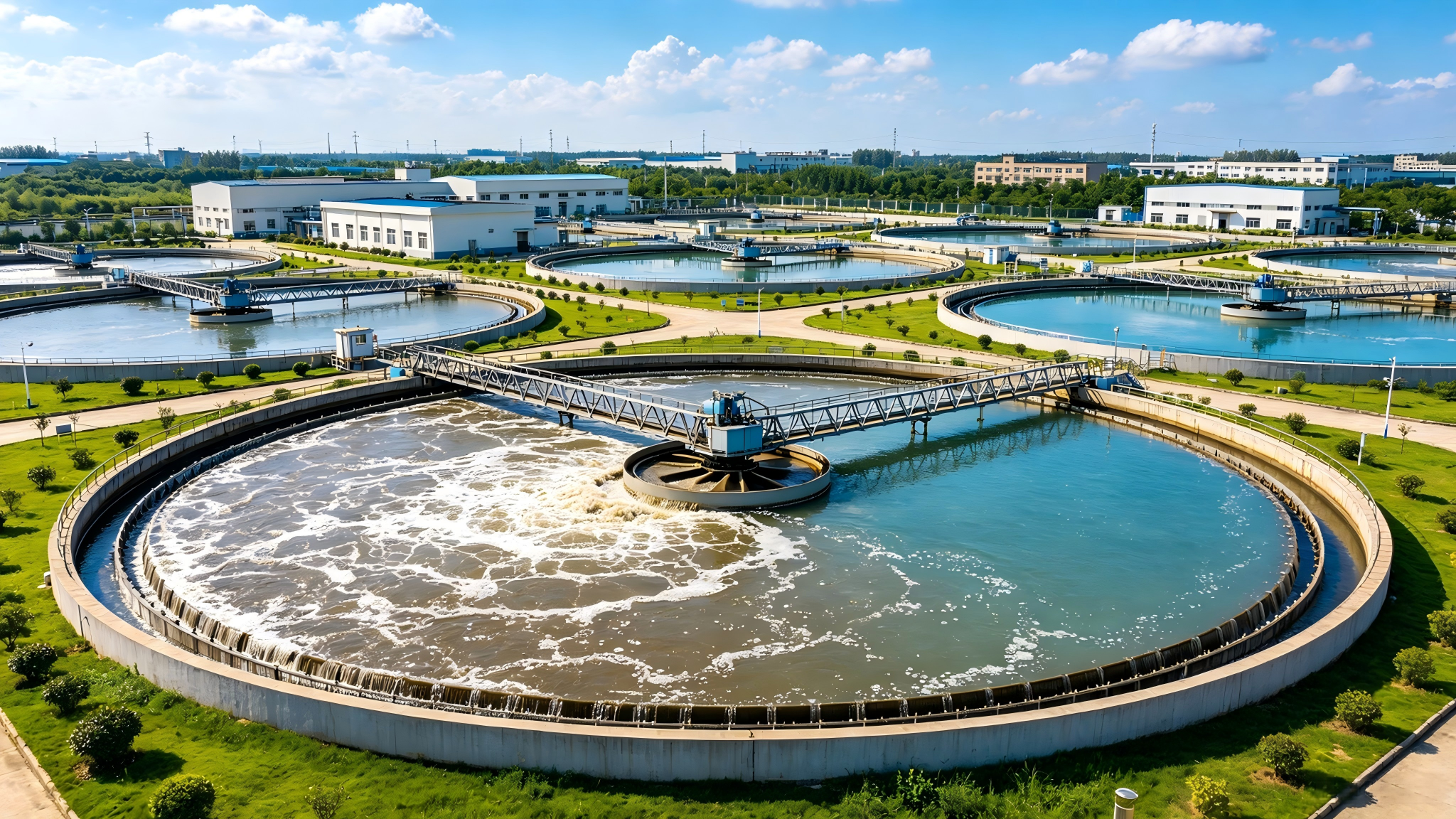


Polyacrylamide (PAM) is an essential water-soluble polymer widely applied in municipal sewage treatment and industrial wastewater purification. Classified into anionic, cationic and non-ionic types, it can be flexibly selected according to different water quality characteristics and treatment requirements. Relying on powerful adsorption bridging and net trapping effects, PAM efficiently aggregates tiny suspended particles, colloids, organic pollutants and fine sediments in turbid water into large, dense and fast-settling flocs.
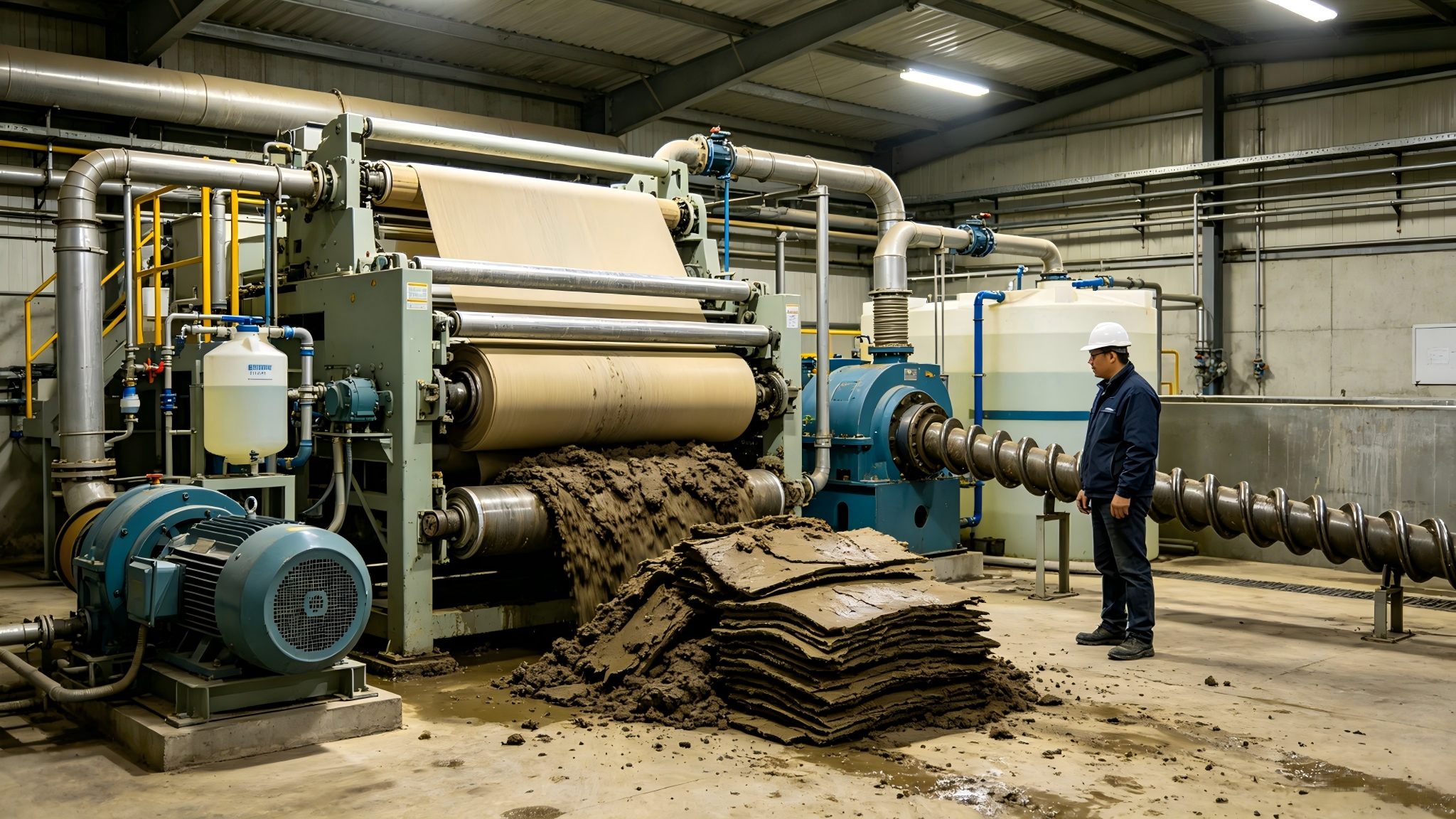
In domestic sewage treatment, cationic PAM is mainly used for sludge dewatering, which greatly reduces the moisture content of sludge, minimizes sludge volume, and facilitates subsequent transportation and harmless disposal. For industrial wastewater from chemical, food, textile and pharmaceutical industries, anionic and non-ionic PAM excel at removing turbidity, chemical oxygen demand and residual suspended substances. They significantly improve the clarity of treated water and enhance overall sewage treatment efficiency.
Compared with traditional inorganic flocculants, PAM features low dosage, fast sedimentation speed and excellent purification effect. It effectively reduces water treatment costs and supports water resource recycling. Reasonable selection of PAM type and dosage avoids secondary pollution, making it a core environmentally friendly agent for modern water treatment systems.